The Unsettling Intersection of Federal Immigration Enforcement and Local Community Safety
The recent incident at a Home Depot in Los Angeles County has reopened debates around federal immigration enforcement and its effects on local safety and community trust. A fatal accident involving a man fleeing an Immigration and Customs Enforcement (ICE) raid at a busy Home Depot site has left many questioning the effectiveness and humanity of these operations. In this opinion editorial, we take a closer look at the tangled issues surrounding these federal raids, the policy twists and turns that have evolved under administrations past and present, and the key impacts on local communities and small businesses.
Understanding the Background: ICE Raids and Local Impact
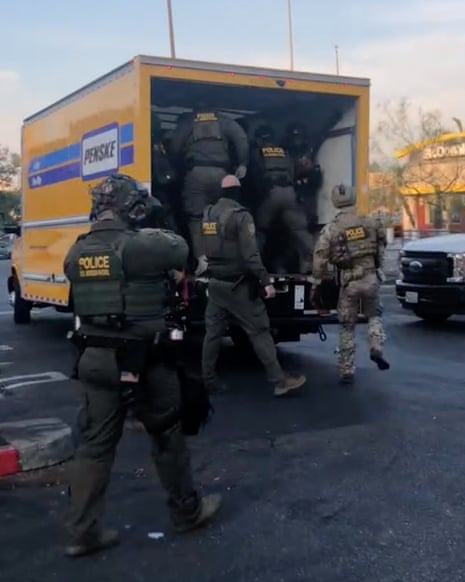
The event unfolded on a routine Thursday morning when federal agents converged on a Home Depot store in a diverse Los Angeles suburb nestled amid the San Gabriel foothills. According to local police reports, ICE agents were seen near the store shortly before 10 a.m. local time. When reports of a pedestrian being struck on the 210 freeway began filming in the background, emergency services rushed to the scene. The man, whose identity remains undisclosed, was transported to a nearby hospital but later succumbed to his injuries. This tragic twist has spurred extensive discussion about the role and execution of federal immigration enforcement in a community setting.
While some officials, including Monrovia’s city manager Dylan Feik, confirmed that no ongoing ICE activity had been formally communicated, the incident has nonetheless cast a long shadow over public trust. State assembly member John Harabedian highlighted that 10 individuals were detained in the operation, and lamented that one individual, fearing for their safety, took drastic measures that ended fatally.
This situation is an example of the tricky parts that arise when federal actions intersect with local realities. There are questions about whether strategic execution or miscommunication fueled the chaos that followed and about what steps must be taken next to ensure public safety.
Local Concerns Over Safety and Community Trust
Local residents and community leaders have expressed profound concerns in the wake of the incident. For many, Home Depot has long served as a place where day laborers gather in search of work, making it a symbol of both economic opportunity and a contested focal point in immigration debates. The raid, which was not communicated in advance to local officials, has fostered a climate of fear and uncertainty among community members.
Many residents now find that everyday tasks have become nerve-racking adventures. For example, a woman protected from deportation under DACA described the feeling of stepping out to purchase everyday items like groceries as an overwhelming experience. The feeling that someone might be following them, or that their personal safety could be compromised at any given moment, has permeated daily routines and even prevented some from seeking medical attention.
Community distrust is magnified by a series of similar raids all across southern California. The widespread impact on cultural events, religious gatherings, and local commerce reveals how federal operations can unexpectedly disrupt the subtle details of everyday life.
Federal Enforcement and Its Ripple Effects on Local Economies
In evaluating the fallout from these operations, it is critical to address the economic implications. The Home Depot raid incident is not isolated—it represents one of several operations targeting locations known to shelter day laborers and other immigrant workers. For local businesses, this constant state of disruption can have far-reaching effects on consumer behavior and workforce stability.
Small business owners and community stakeholders are now grappling with several challenging problems:
- Reduced Customer Traffic: The fear of potential ICE raids discourages community members from frequenting public spaces, leading to losses in revenue for nearby businesses.
- Workforce Instability: Day laborers, already faced with an intimidating job market, may be further destabilized by repeated raids, affecting the supply of skilled workers in industries ranging from construction to automotive services.
- Law Enforcement Strains: Local police and fire departments are caught in the middle, having to respond to unexpected emergencies without always having complete information on federal operations.
- Property Value Fluctuations: Uncertainty over the safety and stability of neighborhoods can translate into longer-term declines in property values and deter future investments.
Each point above highlights the complicated pieces that make federal immigration enforcement a matter of both policy and economic significance. The delicate balance between enforcing federal laws and maintaining a secure, thriving local economy is one that requires careful thought and, above all, transparent communication.
ICE Budgets, Enforcement Policies, and Political Promises
No discussion on these raids can ignore the shifting political landscape that underpins immigration policy. Critics of the current federal administration point to policies that have intensified an already nerve-racking environment for immigrants. Under heavy-handed promises from figures like former President Donald Trump, enforcement strategies have increasingly focused on aggressive tactics. More than 60,000 people were in immigration detention as of early reports, a record increase attributed in no small part to budget expansions that have tripled ICE’s resources.
This robust federal investment is seen by some as a key factor in escalating tensions. While defenders argue that a strong enforcement model is essential for national security, opponents see it as a dangerous trend where overzealous measures result in unintended hardships. The balancing act between national security and individual rights continues to be both intimidating and loaded with problems that will only intensify without well-considered reforms.
Below is a table summarizing some key data points in this discussion:
| Aspect | Detail |
|---|---|
| Operation Location | Home Depot, Los Angeles County |
| Number of Detainees Reported | 10 during the recent raid |
| Victim Outcome | Fatal injuries following a vehicle collision |
| ICE Budget Changes | More than tripled under Republican-led Congressional increases |
| Immigration Detention Figures | Over 60,000 people in detention as of August reports |
This data underscores the fine points of policy decisions that have had cascading impacts from the federal level all the way to local communities.
Contested Policy Measures: Sanctuary Laws vs. Federal Authority
One of the most tense areas of debate centers on the interplay between state sanctuary laws and federal immigration enforcement. California, long known for protecting immigrant rights, has found itself at the center of multiple ICE operations. Federal agencies have not shied away from operating in states that have declared themselves sanctuary jurisdictions, arguing that such policies impede the enforcement of national immigration laws.
Local officials in sanctuary states have reported that federal raids have not only disrupted public order but have also corrupted the trust that these communities place in government authorities. This bewildering twist in the administration of justice invites us to examine several key questions:
- How should local governments respond when federal operations occur without prior notification?
- What is the boundary between maintaining public safety and protecting community rights?
- Are the current ICE protocols adequately weighing the nerve-racking risks associated with unexpected enforcement actions?
Each query represents a small twist in the larger debate on federal-state relations. In attempting to figure a path through these competing interests, local leaders have sometimes found themselves overwhelmed by the need to both protect their citizens and abide by federal law.
The Human Cost: Community Fears and the Toll on Everyday Life
What is particularly disheartening is the psychological and social toll these operations impose on communities. For many immigrants, and indeed any day-to-day citizen, the mere possibility of an ICE raid instills a constant sense of vulnerability. We are dealing with more than abstract policy debates here—the real-life consequences include canceled cultural events, shuttered businesses, and days spent in anxiety over routine activities.
The disruption is not limited to physical encounters with enforcement agents. The mental and emotional strain borne by those living under the constant possibility of a raid is full of problems that can have long-term effects on community well-being. Every time a raid occurs without sufficient warning, the community feels a fresh wave of fear—a fear that can be as overwhelming as it is persistent.
For many, the incident at the Home Depot serves as yet another reminder that the government’s enforcement tactics can sometimes lead to tragic outcomes. Calls for reform, increased oversight, and enhanced dialogue between federal agencies and local government representatives are growing louder. Community leaders and advocates alike are urging decision-makers to reconsider strategies that, while aimed at enforcing the law, come at a steep price in human terms.
Economic Consequences: The Ripple Effects on Small Business and Employment
The economic impacts of such enforcement actions extend well beyond immediate public safety concerns. For local small businesses—especially those located in areas that serve as work hubs for immigrant communities—the repercussions are significant. Forced to contend with the consequences of erratic enforcement practices, many small business owners fear lasting fallout that could derail their operations.
Businesses in high-traffic zones are confronting a series of challenges, including:
- Reduced foot traffic from community members who prefer to avoid the risk of sudden raids.
- Difficulty in staffing, as potential employees are deterred by the constant nerve-racking threat of detention or deportation.
- Strained relationships with nearby residents, who report feeling unsafe or abandoned by local authorities.
For many entrepreneurs, these factors contribute to an overall atmosphere of uncertainty that complicates their efforts to grow and sustain their businesses. When the government prioritizes harsh enforcement maneuvers without robust dialogue with affected communities, the resulting gaps in trust can lead to economic downturns. In this light, it becomes clear that businesses, particularly those relying on a steady flow of local customers and employees, stand to lose a significant amount should such federal actions persist unchecked.
Balancing National Security with Community Welfare
The current state of affairs presents policymakers with a challenging, off-putting task of balancing national security priorities with the welfare of local communities. On one hand, proponents of robust immigration enforcement argue that a strict approach is essential to maintaining law and order. On the other, communities point to the myriad ways these aggressive tactics have disrupted life for everyday citizens.
Every strategic decision carries a set of hidden complexities. For local officials forced to work through these challenges, the need to protect citizens while facilitating federal mandates creates a fraught environment. The fine details of how these policies are executed matter significantly: transparency, pre-planning, and cooperation between agencies are all critical for avoiding chaotic outcomes like the fatal Home Depot incident.
Key considerations for balancing these competing interests include:
- Transparency in Operations: Community safety can be enhanced when federal actions are communicated promptly to local officials.
- Joint Task Forces: Collaborative measures between ICE and local law enforcement can help ease tensions and minimize misunderstandings.
- Public Education: Informing community members about the scope and limits of federal enforcement can reduce unnecessary anxiety.
- Policy Reforms: Legislative initiatives aimed at clarifying the roles of federal and local agencies could pave the way to more predictable outcomes.
Policymakers must dig into these considerations and work collaboratively to forge a path that protects national interests while ensuring that local communities do not bear the brunt of enforcement shortcomings.
Opinions on the Future of Immigration Enforcement
Considering the multifaceted nature of these issues, opinions on the future course of immigration enforcement vary widely. Some voices within the political spectrum call for even tighter enforcement measures, suggesting that only tough tactics can ensure border integrity and national security. Their arguments are largely framed around the need for bold, decisive actions that effectively deter illegal activities.
Conversely, critics argue that such stringent measures inevitably lead to small, unintended casualties—casualties not just in terms of human lives, but also in community trust and economic stability. The situation at Home Depot is a case in point: the loss of a life underscores the human cost that can result from overly aggressive tactics. With immigration enforcement now a loaded subject laden with tension, many are advocating for more balanced, thoughtful approaches.
It is worth noting that while larger agencies may claim operational successes, the price paid by local communities is often overlooked in broader national narratives. There is a growing chorus calling for reforms that reconcile the seemingly conflicting goals of maintaining law and order and protecting human dignity. This debate, rife with conflicting small distinctions in ideology and policy, reveals the need for both sides to take a closer look at the overall impact of their positions.
Learning from Past Experiences and Setting a New Course
Historically, enforcement operations have occasionally spiraled into unintended disasters when communication breaks down and local concerns are ignored. The Home Depot incident should serve as a sober reminder of the importance of foresight and robust planning. The past few decades have taught us that seldom does an enforcement strategy stand without some hidden issues that later manifest as public tragedies.
In rethinking these approaches, the following steps are essential:
- Enhanced Coordination: Federal agencies must establish clearer channels of communication with local law enforcement and community leaders to prevent misunderstandings.
- Risk Mitigation Strategies: Comprehensive risk assessments that account for the tricky parts and little details of local demographics can help tailor enforcement operations to minimize harm.
- Community Involvement: Engaging local communities in the planning process can help reduce anxiety and build trust, ensuring that residents are not left behind by sweeping federal measures.
- Policy Reevaluation: Legislators should revisit and revise outdated policies that inadvertently contribute to chaotic enforcement practices, paying special attention to the subtle parts that have historically led to conflicts.
By taking these steps, federal authorities and local communities alike can hope to figure a path toward enforcement strategies that are both robust and respectful of the rights and safety of all individuals involved. The objective is a system that is neither overly punitive nor negligently lax—but one that strives to merge national security imperatives with the everyday realities of life in diverse communities.
The Broader Economic and Societal Context
It is also important to consider how these enforcement actions spill over into broader economic and societal realms. Beyond the immediate impacts on employees and local vendors, pervasive fear and uncertainty may contribute to a decline in overall consumer sentiment. Both local economies and national markets thrive on stable, vibrant community interactions. When residents become wary of routine interactions—whether shopping for groceries or seeking medical help—the cumulative effect can be a subdued economic climate.
Recent reports indicate that communities hit by repeated raids are not only experiencing disruptions in daily life but are also facing longer-term declines in business investment. Investors, wary of unstable environments, may steer clear of regions where unpredictable federal operations jeopardize the typical flow of commerce. This chilling effect on economic activity is a fine shade of impact that policymakers should consider seriously.
Moreover, the tension between federal enforcement and local community stability has led to noticeable shifts in employment patterns. Many immigrant workers, who are crucial to a broad range of industries—from automotive manufacturing to electric vehicle innovation—may find themselves increasingly marginalized by enforcement actions. These workers bring much-needed skills and perspectives to the U.S. economy; undermining their contributions can have lasting adverse effects on overall economic competitiveness.
Striking a Balance: The Path Forward for Policy Makers
Determining how to balance high-level enforcement with community-oriented safety is a matter that requires thoughtful debate. In reforming current approaches, legislators and policy makers need to take a closer look at the root causes of these recurring problems. The following strategies could serve as a blueprint for a more balanced future:
- Integrated Communication Plans: Establishing mandatory communication protocols between federal agencies and local authorities is essential. Such protocols should include real-time updates during operations to prevent chaotic outcomes.
- Adaptive Enforcement Training: Both federal and local law enforcement officers should receive joint training on managing operations in diverse communities. This joint training can help steer through the nerve-racking tasks associated with high-pressure incidents.
- Enhanced Community Outreach: Agencies should invest in community outreach programs that help rebuild trust and educate locals about the scope and intent of federal operations. Open forums and town hall meetings offer opportunities for residents to voice their concerns and suggestions.
- Legislative Safeguards: Lawmakers need to incorporate checks and balances that ensure federal initiatives do not overwhelm local capacities. By setting clear legal boundaries, both federal and local entities can work through the small distinctions that separate effective management from public backlash.
Policymakers are now tasked with the nerve-racking challenge of consolidating a system that is both efficient and aware of its broader impacts. The decisions made today could very well define the landscape in which future generations live, work, and interact. A reformed framework for immigration enforcement must work through the tricky parts and tangled issues of local dynamics while preserving the core objective of national security.
Implications for Industries Beyond Immigration Enforcement
While immigration enforcement is at the core of this particular debate, its far-reaching effects extend to numerous other sectors, including industrial manufacturing, automotive services, and even emerging fields like electric vehicles. For example, industries that employ large numbers of immigrants—often at critical positions within supply chains—can see operational disruptions when enforcement actions lead to workforce uncertainty.
Consider the following points:
- Supply Disruption: When workers are suddenly detained or fearful of job loss, production timelines can be delayed. This notion is particularly disruptive in sectors such as industrial manufacturing where time-sensitive project deadlines are the norm.
- Increased Operational Costs: Employers may find themselves needing to invest more in security and employee support services to manage the nerve-racking uncertainty in work environments.
- Reputation and Consumer Confidence: Companies closely linked with immigrant labor could face reputational risks. A community that feels terrorized by federal raids is less likely to trust or engage with local businesses, impacting the bottom line.
- Technology and Innovation: Even high-tech sectors such as electric vehicles, which rely on a steady flow of international talent and innovative ideas, may find themselves indirectly affected. Recruitment challenges and diminished morale are subtle parts that can eventually tip the scales in competitive industrial markets.
This interconnectedness shows that the operational challenges faced by ICE are also inherently linked with broader economic strategies. When one sector experiences turbulence, the ripples are felt across multiple industries. Hence, any reform proposal must take into account the far-reaching economic consequences that extend far beyond the immediate realm of immigration enforcement.
The Business Perspective: Small Business, Automotive, and Beyond
From a business standpoint, small enterprises must be particularly cautious when large-scale federal actions are underway. Small business owners—often the lifeblood of local economies—can be incredibly sensitive to government policies that impact public perception and consumer behavior.
Key considerations for business owners include:
- Workforce Management: Knowing that employees may be anxious about their legal status or personal safety, it becomes essential to implement supportive workplace policies that reassure staff.
- Customer Outreach: Transparent communication with customers about safety measures and business continuity plans is crucial. Businesses that proactively address community concerns tend to weather nerve-racking market fluctuations better.
- Partnership with Local Authorities: Small businesses can benefit from engaging in community safety forums where local law enforcement and federal agencies discuss operational guidelines. This engagement can help diffuse fears and foster a more stable business environment.
- Strategic Planning: In an economy that is as interconnected as ours, even tangles in federal enforcement can impact supply chains, logistics, and marketing strategies. Small businesses must take a closer look at their contingency plans and be prepared to adapt swiftly in the face of any crisis.
By comprehensively managing these concerns, business owners are not only safeguarding their operations but are also acting as stewards for broader communal well-being. In an era defined by rapid changes and unpredictable government interventions, actively engaging with local communities and anticipating the nerve-racking twists of policy changes is key to maintaining a competitive edge.
Finding Your Way Through Policy Uncertainty: A Call for Collaborative Reform
As we ponder future directions, the urgency of responsible reform becomes unmistakably clear. Whether you are a local business owner, a community leader, or a policymaker, the mixed messages from federal actions combined with local vulnerabilities call for a concerted effort toward transparent, collaborative reform.
To wrap up, here are some practical steps that could help find your way through this maze of competing priorities:
- Establish Multi-Level Forums: Regular meetings between federal, state, and local representatives could create forums for addressing the confusing bits and subtle parts of enforcement operations.
- Implement Community-Based Audits: Independent assessments involving local stakeholders can help identify gaps in communication and strategies, ensuring that operations are both efficient and humane.
- Maintain an Open Dialogue: By promoting a culture of transparency and mutual accountability, authorities can help soothe fears and build trust with communities that have felt abandoned by bureaucratic procedures.
- Review and Update Policies: Periodic reviews of current enforcement practices, with participation from diverse community representatives, could uncover nitty-gritty details that when addressed, could prevent future tragedies.
The path forward requires us all—federal officials, local authorities, community members, and business owners alike—to work together in a spirit of compromise and shared responsibility. Only by openly addressing the nerve-racking challenges that have arisen from current policies can we begin to untangle the problematic interplay between enforcing immigration laws and preserving community well-being.
Conclusion: Charting a Course for a Safer, More Inclusive Future
In conclusion, the fatal incident at the Home Depot in Los Angeles County is a stark reminder of the high stakes involved when federal policies dramatically impact local communities. The chaotic clashes between federal immigration enforcement and daily community life have exposed the tangled issues that lie at the heart of this debate. Both sides of the argument present compelling points: while strong enforcement is seen as critical for national security, the off-putting reality is the distress it causes among vulnerable populations.
It is clear that the solution is not as simple as tightening controls or relaxing measures entirely. Instead, a balanced approach that appreciates the little details—ranging from transparent communication and effective risk management to the safeguarding of community trust—is needed. Whether viewed through the lens of small business vitality, industrial manufacturing considerations, or the challenges facing the automotive and electric vehicle sectors, every stakeholder has a role to play.
By rethinking enforcement protocols, engaging in public dialogue, and embracing collaborative reform, we can hope to build a system where national security measures do not come at the expense of everyday lives. This editorial calls on policymakers to figure a path that respects both the critical need for law and order and the human dignity of every individual. It is our collective responsibility to ensure that enforcement strategies serve to unite rather than divide, to protect instead of terrorize, and to build a future that is inclusive, safe, and economically vibrant.
As the conversation continues, it is essential that community voices, local business leaders, and policymakers remain engaged in this dialogue. Only through such sustained, thoughtful effort can the nation hope to find a balanced solution to one of the most nerve-racking dilemmas of our time.
Moving forward, policymakers and community advocates alike must dig into these challenging issues, work through the confusing bits of current practices, and strive to create an enforcement model that harmonizes broad national interests with local community needs. In doing so, we not only honor the memory of those affected by past missteps but also pave the way for a more stable and secure future.
Originally Post From https://www.theguardian.com/us-news/2025/aug/14/los-angeles-ice-raid
Read more about this topic at
Man fleeing ICE raid at Home Depot in Monrovia hit and …
Man fleeing immigration raid in California fatally struck by …