The Enduring Legacy of a 90s Sitcom Classic
The television show “Home Improvement” was more than just a family comedy—it was a cultural phenomenon that defined a generation. Airing from 1991 to 1999, this show entertained millions with its witty humor, relatable family dynamics, and memorable characters. In this editorial, we take a closer look at the behind-the-scenes stories, cast changes, and cultural impact of one of the most beloved sitcoms of all time, while exploring some of the subtle details and tricky parts that made it a hit.
From its innovative meta-program segments to its unique take on the typical American family, “Home Improvement” continues to hold a special place in the hearts of fans and remains a reference point for modern television. Let’s dig into the show’s fascinating journey, the cast’s off-camera escapades, and how its legacy still resonates in today’s television landscape.
The Rise of “Home Improvement” and Its Cultural Impact
“Home Improvement” became a defining show of the 90s thanks to its clever blend of humor and real-life family values. The sitcom not only entertained audiences but also offered commentary on distorted gender roles, the satirical take on home improvement culture, and the ups and downs of a typical American family life. Its ratings soared, and the series was often cited in discussions about television that was full of problems yet endearing in its portrayal of everyday mishaps.
The show carved out its niche by working through the subtle details of everyday life, highlighting both the fun and nerve-racking moments of household repairs and family interactions. Its ability to mix tongue-in-cheek humor with a warm heartfelt portrayal of family life made it stand out from other offerings on TV.
Behind the Scenes: The Cast and Its Intriguing Dynamics
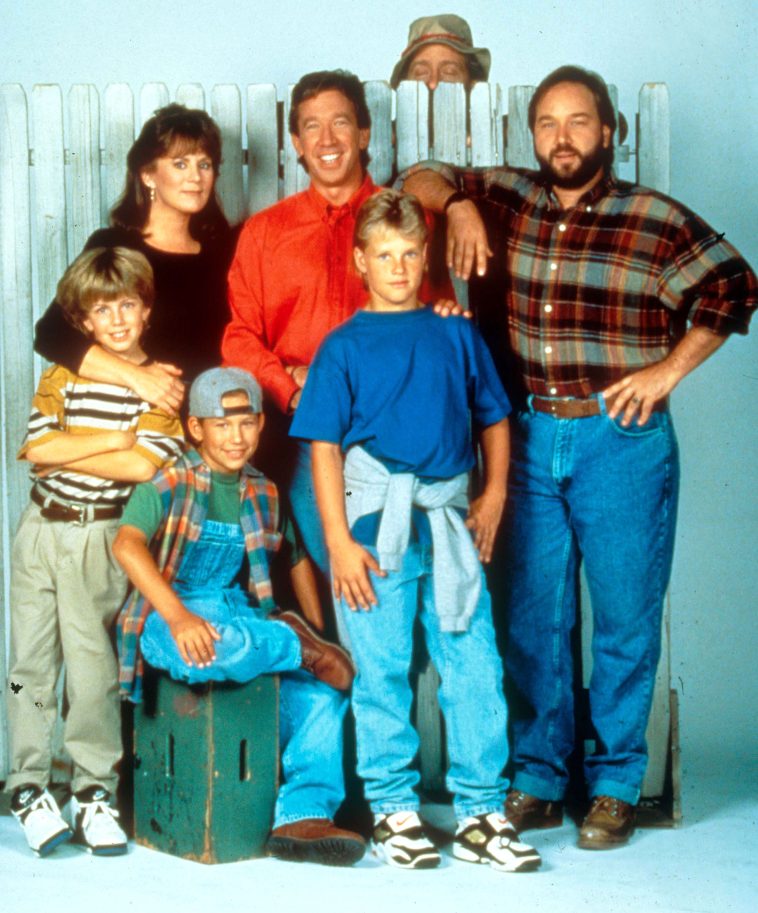
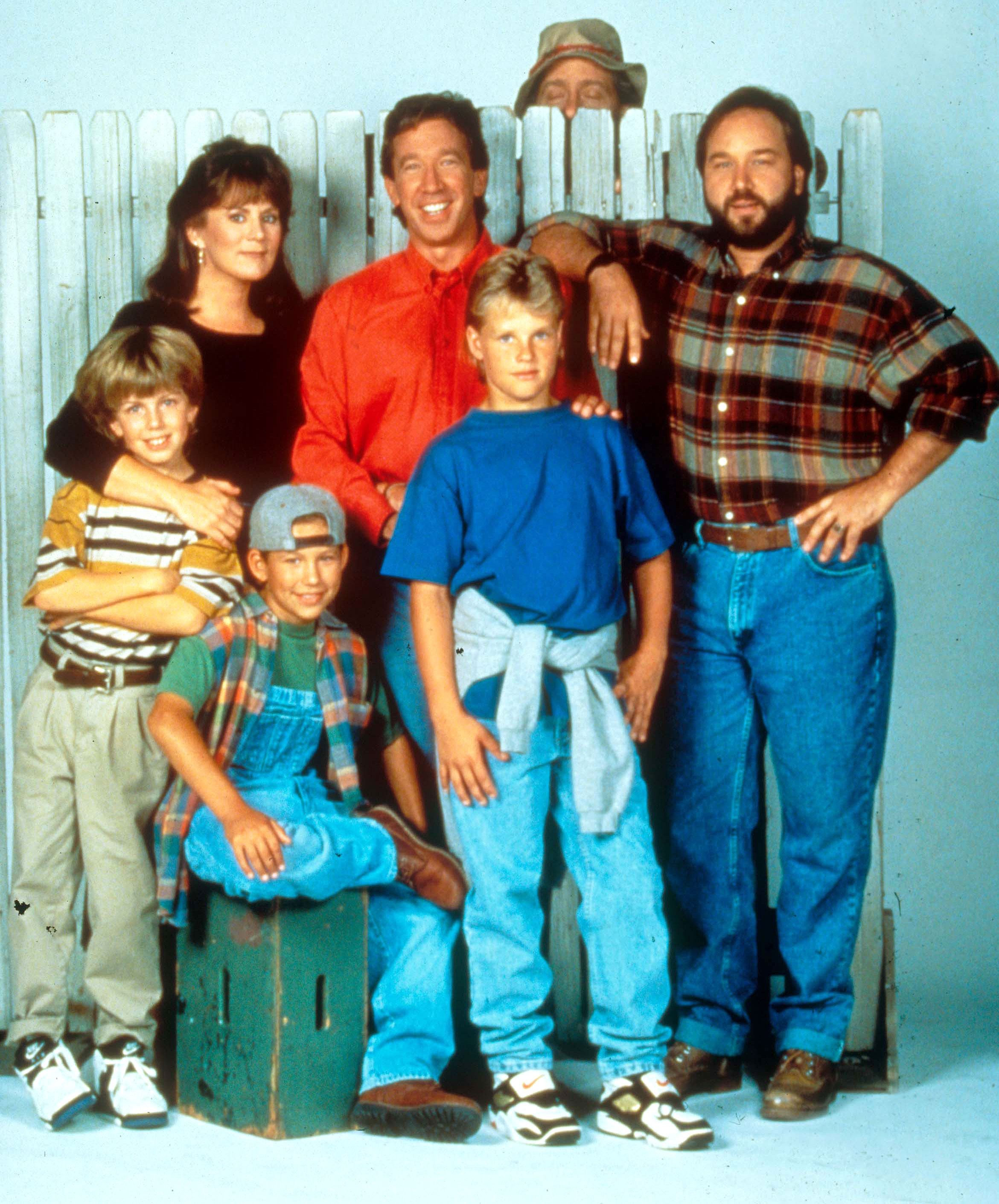
Behind every memorable show is a cast that works hard to bring dynamic characters to life. “Home Improvement” was no exception. With a lively ensemble of actors, the show was driven by the infectious energy of its cast. From Tim Allen’s unforgettable portrayal of the bumbling yet lovable Tim Taylor, to the subtle on-screen exchanges between family members and neighbors—the series was bursting with fine details that audiences continue to appreciate.
Even off-camera, the cast had their own share of dramatic twists and turns. Several cast members, including Jonathan Taylor Thomas and Taran Noah Smith, moved away from acting as they grew older, often to pursue education or personal interests. Meanwhile, actors like Patricia Richardson and Richard Karn tried to push for richer storylines, leading to cast changes and negotiations that reveal the tangled issues present in long-running series.
Pioneering Moments: Casting Changes and Their Far-Reaching Effects
The casting decisions on “Home Improvement” often reflected the show’s willingness to experiment and evolve. One of the most interesting stories comes from the role of the Tool Time Girl. Initially, young actress Ashley Judd won the role, but her agent persuaded her to seek film opportunities instead, paving the way for an eventual casting change that led to Pamela Anderson taking on the role. Anderson’s portrayal in the first two seasons became iconic, as she managed to make even construction boots and tool belts appear charming and fun—long before her later controversial image took shape.
Similarly, the character of Al Borland almost went to another actor before Richard Karn landed the part. Stephen Tobolowsky was originally cast, but due to scheduling conflicts, the production chose Karn after filming only four episodes. Karn’s beard and trademark flannel look quickly became symbols of warmth and reliability, contributing significantly to the show’s overall appeal. This type of cast adjustment, while potentially nerve-racking for any production, eventually enriched the dynamic of the series and kept fans engaged with fresh energy and well-defined characters.
Tim Taylor: The Unforgettable Patriarch and His On-Screen Mishaps
Tim Taylor, as portrayed by comedian Tim Allen, remains the heart and soul of “Home Improvement.” His portrayal of a well-meaning, accident-prone dad with an endless supply of questionable home improvement ideas resonated with audiences. His catchphrase “More power!” became synonymous with wild, over-the-top antics. Whether he was causing electrical shortages, setting things on fire, or accidentally creating a spectacle on the set of “Tool Time,” his blunders provided endless entertainment.
Tim’s character was a reflection of a typical American dad. A republican with a love for power tools, sports, and cars, Tim Taylor was a man who’s always ready to push the limits, sometimes to his own detriment. His misadventures were never intended to be dangerous but were rather a celebration of the small, often confusing bits of everyday life that come with trying to fix things yourself. His willingness to laugh at his own failures and embrace the chaos is a reminder of how humor can help us find our way through life’s tangled issues.
Binford Tools: More Than Just a Prop
No discussion of “Home Improvement” would be complete without mentioning Binford Tools. This fictitious brand, featured prominently on the “Tool Time” segment, became a cultural icon in its own right. Binford Tools wasn’t just a sponsor; it was a character within the show. The brand’s products, all starting with the product number 6100, were a clever nod to real-world home improvement stores and hardware chains. Many viewers were even inspired to visit local hardware stores, curious to see if they could find these legendary tools.
The popularity of Binford Tools speaks to the power of a well-crafted fictional brand in television. Its recurring presence on “Home Improvement” served as a backdrop for many of Tim Taylor’s memorable mishaps, from accidentally electrocuting himself to causing minor explosions on the set. The recurring theme of using power tools in unconventional ways reflected the show’s commitment to humor that both celebrated and poked fun at the very real challenges of DIY home improvement.
Behind the Curtain: Unscripted Tales and Off-Screen Drama
Like many long-running TV series, “Home Improvement” had its share of unscripted moments and off-camera drama, which only added to its mythos. Financial disputes among cast members provide a prime example of these off-stage narratives. Patricia Richardson, who portrayed Jill Taylor, famously demanded that her paycheck be on par with Tim Allen’s. This revealed the tangled issues in salary negotiations and highlighted some of the challenges that come with long-term collaborations in a hit series.
Another instance of off-screen drama was Jonathan Taylor Thomas’s departure from the show. After leaving to focus on his education, there was speculation about possible rifts among cast members. However, subsequent guest appearances on Tim Allen’s later show “Last Man Standing” suggested that any hard feelings had been largely set aside, leaving fans with the impression of a close-knit group who managed to figure a path forward despite the inevitable changes over time.
Tool Time: The Meta-Show Within a Show
The clever use of a show-within-a-show format through “Tool Time” was one of the creative high points of “Home Improvement.” This meta aspect allowed the series to comment on and parody the popular home improvement shows of the time, particularly the PBS hit “This Old House.” Tim Taylor and his sidekick Al Borland became de facto parodies of Bob Vila and Norm Abram, injecting humor by taking a light-hearted dig at the careful, methodical approach of traditional home improvement programming.
The abrupt, unpolished style of “Tool Time,” complete with its cold opens and deliberate use of humor before the title card appears, captured the spirit of 90s television for many viewers. The quick transitions and unscripted feel of what happened on set, including moments where unseen characters like Klaus were playfully addressed, kept audiences on their toes—a reminder that even scripted comedy can be full of surprises.
Reunion Specials and Reboot Rumors: Reflecting on a Timeless Connection
Years after the series wrapped up, the cast of “Home Improvement” has continued to resonate with fans. Numerous reunion specials and guest appearances, such as those on “Last Man Standing,” have kept the spirit of the show alive. In 2003, a television special titled “Tim Allen Presents: A User’s Guide to ‘Home Improvement'” showcased favorite clips and behind-the-scenes stories, allowing fans to reminisce about the lighter side of home improvement mishaps.
Rumors have long circulated about a possible reboot or reunion series. Tim Allen and Richard Karn have both, at various points, discussed the idea of getting back together as a cast to revive the old magic. While such a project might be off-putting in terms of scheduling given the success of Allen’s “Last Man Standing” on Netflix, the chemistry between the former cast members hints at a possibility that could rekindle the show’s original spark for a new generation of viewers.
Managing a Television Career: From Comedy to Charity
Several cast members have diversified their careers beyond “Home Improvement,” moving into different areas of the entertainment world as well as other ventures. Jonathan Taylor Thomas, once dubbed as one of the hottest young stars on television, became the voice behind iconic roles such as Simba in Disney’s “The Lion King.” Despite his early foray into mainstream media, Thomas has chosen to maintain a low profile in recent years, focusing on his personal life rather than a continued presence in the celebrity spotlight.
Other actors, like Zachery Ty Bryan, have devoted themselves to charitable causes, actively supporting organizations that help underprivileged children. These shifts illustrate how some actors, after years of intense public scrutiny, decide to use their influence for social good. Such moves also reflect a broader trend in the entertainment industry, where the focus extends beyond on-screen success to include meaningful community involvement.
The Unseen Heroes: Crew Members and Their Contributions
While much of the spotlight has rightly been on the actors, the unsung heroes behind the scenes played an equally essential role in the show’s success. For example, personnel like Klaus Landsberg, from the sound department, became part of the show’s in-jokes when Tim Allen would refer to an unseen character on stage. These subtle nods to the crew were an acknowledgment of the real-life teamwork that made the show possible.
Additionally, the production of “Home Improvement” was not only about scripted content but also encompassed a range of behind-the-scenes challenges and opportunities. Whether it was working with intricate equipment or figuring a path through unexpected mishaps during filming, the crew’s ability to manage your way through these tricky parts was critical to the visually engaging and entertaining nature of the show.
Homage to Classic Television: The Cold Open Strategy
One of the creative decisions that set “Home Improvement” apart from its competitors was the use of a cold open starting in Season 2. Instead of the usual slow build-up featuring title sequences and credits, viewers were immediately thrown into the unfolding action, capturing their attention from the very first moment. This technique, which has roots in classic television shows like “Bewitched” and “Hawaii Five-O,” ensured that the audience remained engaged even when the show’s subject matter could become tense or loaded with issues.
The cold open was followed by the unmistakable title card, often animated in playful and imaginative ways throughout the later seasons. By using this strategy, the production team demonstrated their ability to steer through innovative methods of storytelling—a small detail that contributed to the overall charm and dynamism of the show.
Examining the Family Dynamics: The Taylors as a Model of Resilience
The Taylor family, central to the narrative of “Home Improvement,” exemplified the trials and triumphs of modern American family life. Tim Taylor’s boisterous personality and his frequent, humorous misadventures were balanced by his wife Jill Taylor, portrayed by Patricia Richardson, who brought depth and development to the role of a housewife turned career woman. These family dynamics provided viewers with a realistic yet exaggerated portrayal of domestic life, replete with love, mild arguments, and those all-important little twists that make home life so unpredictable.
Each family member, from the eldest son Brad to the youngest, Mark, contributed to a layered narrative that went beyond mere comedy. Their journeys reflected the evolving American ethos, and as the children grew up, the series began to explore the delicate balance between adolescence and responsibility. The actors’ performances, combined with the subtle distinctions in their character arcs, allowed the show to seamlessly blend humor with social commentary.
Insights into On-Set Antics and Production Hurdles
Behind every recorded laugh and perfectly timed punchline lies a story of perseverance and adaptability. On the set of “Home Improvement,” mishaps were not always a set of staged pranks but often the result of real accidents involving heavy machinery and unconventional filming techniques. Tim Allen’s knack for turning these momentary glitches into laugh-out-loud sequences not only entertained viewers but also highlighted the chaotic yet creative process of television production.
For instance, the episodes featuring electrical mishaps or unintentional destruction of props became so popular that they inspired viewers to experiment with DIY projects of their own—albeit with more caution. These incidents, while full of problems, helped the show capture a realistic portrayal of the trial-and-error process that is an inevitable part of any creative endeavor. It was this mix of scripted comedy and genuine accident that made the on-set environment both exciting and unpredictable.
Marketing Strategies: Bringing Nostalgia to New Generations
Even years after its conclusion, “Home Improvement” remains a key case study in effective brand building and nostalgic marketing. The series not only succeeded in enhancing the profiles of its stars but also established enduring partnerships with real-life brands. The presence of Binford Tools, for example, blurred the lines between fiction and reality and became a memorable symbol for both the show and the hardware industry.
Today, merchandise such as vintage DVD box sets and branded memorabilia continue to attract both longtime fans and newcomers alike. This approach of leveraging nostalgia, while keeping the content fresh with modern references and parodies, is a strategy that many modern television shows strive to emulate. By tapping into the cultural cache of a 90s classic, marketers have managed to introduce a beloved era of television to a younger audience, bridging the gap between generations through humor and heart.
Real-World Connections: Television’s Impact on American Society
“Home Improvement” did more than entertain—it influenced perceptions of gender roles, family structures, and even political leanings during a transformative time in American society. Tim Taylor’s colorful character, with his offbeat attitudes and power tool escapades, mirrored a certain hyper-masculine ideal, while Jill’s evolution into a more independent and career-focused individual challenged traditional stereotypes. These subtle yet significant small distinctions provided a platform for viewers to poke around and discuss societal expectations in a relaxed, humorous setting.
In addition, the show’s satirical undertone helped diffuse some of the tense political climates of the 90s. For instance, its playful jabs at the differences between men and women—exemplified in Tim’s stand-up routines and family banter—helped spotlight the humorous side of everyday disagreements without alienating any particular group. It was a balancing act that required careful consideration of every little twist in dialogue, a feat that both the writers and actors managed with admirable finesse.
Revisiting the Act: How Guest Appearances Shaped the Narrative
The guest appearances by former cast members on subsequent shows such as “Last Man Standing” and other reunions underscore the enduring connection between the actors and their iconic roles. These appearances have not only revived memories of a bygone era but also introduced new elements into the larger conversation about the evolution of television families.
For instance, Jonathan Taylor Thomas, who famously provided the voice of Simba in “The Lion King,” made guest appearances that brought a welcome blend of nostalgia and fresh perspectives. While his on-screen presence was brief, the inclusion of such familiar faces highlighted how these actors had matured, both in their personal lives and in their professional journeys, yet still cherished their roles in a show that was once deeply intertwined with their identities.
From the Studio Audience to Pop Culture Icon
The role played by the live studio audience in “Home Improvement” was unique at the time and added yet another layer to the show’s vibrant energy. The laughter, spontaneous reactions, and palpable excitement of the audience were captured on camera and became an essential part of the viewing experience. This interactive element not only enhanced audience engagement but also demonstrated how television could provide a communal space for shared experiences.
Indeed, the practice of including audience reactions in every episode helped set “Home Improvement” apart from many other sitcoms. It was a clever way to bridge the gap between the performers and the viewers at home, creating a sense of inclusion and immediacy. The studio audience, in its own right, became a pop culture icon, emblematic of the joyous, unpredictable spirit that defined the show.
A Closer Look at Iconic On-Screen Moments
Every memorable show is punctuated by iconic scenes that become part of the cultural lexicon. “Home Improvement” was no different. From humorous mishaps on the “Tool Time” set to thoughtful family conversations that provided a break from the televised chaos, each episode was a mix of planned comedy and genuine human error. These scenes, full of slight differences and fine shades of humor, continue to be quoted by fans and celebrated in pop culture forums.
One particular scene that stands out is the series finale, where even the elusive full-face reveal of the neighbor Wilson provided a touching moment of closure for fans. This ultimate reveal—a culmination of several years of intriguing character development—reminded everyone that behind every quirky on-screen persona was an actor who had, in their own way, left a unique mark on television history.
Lessons in Life, Laughter, and Resilience
“Home Improvement” reminds us that life is full of challenges and unexpected mishaps. Through humor and heart, the show taught audiences that failing spectacularly isn’t something to be ashamed of, but rather an experience to be celebrated. Tim Taylor’s repeated crashes, explosions, and misadventures were less about incompetence and more about the joy of trying, learning, and even laughing at oneself.
The message was clear: it’s okay to make mistakes, and sometimes, the best way to handle the confusing bits of life is to simply say “more power!” Whether it was in the form of a fallen roof or an unconventional use of power tools, every disaster on “Home Improvement” was a chance to find your way through life’s unpredictable moments.
The Business of Television: Negotiations, Contracts, and Creative Control
Behind the comedic facade of “Home Improvement” lay a world of business negotiations, contract disputes, and discussions over creative control that are less glamorous but equally important. Financial squabbles, such as those involving Patricia Richardson and Tim Allen, highlight the twisted issues that can arise when different levels of compensation become a point of contention. These behind-the-scenes battles often make you realize that even a beloved show has its share of nerve-racking business decisions and complicated pieces of negotiation.
Studying these aspects provides insight into the business side of television production where, despite the laughter and fun, there are plenty of challenging bits that require careful management. Balancing artistic vision with financial realities is a must-have element in any successful series, and “Home Improvement” managed this dance with a blend of charm and savvy that still resonates today.
The Intersection of Comedy and Real-Life Lessons
Perhaps one of the most enduring qualities of “Home Improvement” is its ability to transform everyday mishaps into teachable moments. At its core, the show was not just about making viewers laugh—it was about helping them get around the tangled issues of daily life by using humor as a coping mechanism. Each comedic sketch, no matter how over-the-top, held a mirror up to the audience, reflecting the unpredictability of home life and the importance of perseverance.
This connection between humor and life lessons is a key aspect that has allowed “Home Improvement” to maintain its relevance. The show tapped into the universal experience of dealing with mishaps, whether they be minor or full-blown disasters, and showed that with a bit of laughter, even the most nerve-racking of situations can be transformed into a memorable adventure.
How “Home Improvement” Influenced Modern Sitcoms
The influence of “Home Improvement” can be seen in many of today’s sitcoms that continue to employ a mix of physical comedy, family dynamics, and meta humor. Modern shows often echo the same themes of using humor to navigate life’s minor catastrophes, a testament to the lasting appeal of Tim Taylor and his unforgettable crew. The show set a benchmark in terms of integrating a live studio audience, making abrupt cold opens, and blending sitcom antics with subtle cultural commentary.
New generations of viewers have discovered “Home Improvement” through streaming platforms, where these classic episodes are not only preserved but celebrated as part of television history. The timeless appeal of its humor—grounded in everyday reality and self-deprecating charm—serves as an example for content creators seeking to find that perfect balance between comedy and everyday relatability.
Reflecting on the Challenges of Child Stardom
While the show propelled its young stars into the limelight, it also exposed them to the tricky parts of growing up in the public eye. Jonathan Taylor Thomas, Taran Noah Smith, and Zachery Ty Bryan navigated the challenges of early fame, balancing work with personal growth. Their experiences serve as a reminder of how early exposure in high-pressure environments can lead to lasting impacts on personal lives, sometimes leading to difficult decisions, such as stepping away from the industry to pursue education or personal interests.
These stories of transition and change provide a sobering counterpoint to the lighthearted moments on screen. They illustrate the often-overlooked side of a successful series—that behind every laugh lies a series of personal and professional sacrifices. Yet, each former child actor has continued in their way, whether through voice acting in landmark animated films or through advocacy and charity work. The lessons learned on set have undoubtedly shaped their views on success and the importance of balancing personal aspirations with professional responsibilities.
Exploring the Lasting Appeal of a Family Sitcom
The enduring popularity of “Home Improvement” can also be attributed to its realistic portrayal of family relationships. The Taylor family, with all its quirks and contradictions, was a microcosm of American life. Tim’s boisterous personality, Jill’s evolving role as a caregiver and professional, and the distinct personalities of their children combined to create a narrative that was both entertaining and deeply relatable.
This mix of humor with the inevitable messy situations of family life—a blend of awkward moments, loving support, and genuine conflict—made the series continue to resonate with audiences. In many ways, it provided a blueprint for future family sitcoms, teaching subsequent creators that authenticity and relatability are key ingredients to long-lasting television success.
Lessons Learned from On-Set Mishaps and Accidents
A hallmark of Tim Taylor’s character was his never-ending series of accidents, many of which became legendary among fans. From falling through roofs to causing minor electrical explosions, these on-set mishaps were not just staged moments but vivid representations of the chaos that can occur when one dares to take a creative risk. Each accident was a reminder that the journey to success is often loaded with issues and unexpected turns.
The production team’s ability to manage these offbeat moments—with quick thinking and a willingness to embrace the unpredictable—was crucial to the show’s success. The series taught viewers that even when things go awry, a sense of humor can transform potential disasters into moments of levity. This spirit of resilience, where every failure is met with a witty remark or a playful quip, is as super important today in various creative endeavors as it was during the 90s.
Looking Forward: The Possibility of Reboots and Revivals
With talk of reboots and reunion specials never far from the surface, the possibility of a “Home Improvement” revival excites many fans today. In an era where nostalgia plays a critical role in television programming, bringing back a beloved series is an enticing prospect for networks and streaming services alike. Tim Allen and his co-stars have expressed openness to the idea, and while scheduling conflicts and current commitments may pose challenges, the conversations themselves demonstrate that the legacy of this classic sitcom is very much alive.
A reboot could tap into modern technology and social media trends while retaining the classic humor and family dynamics that made the original a hit. New storylines might involve the characters dealing with today’s digital age dilemmas while staying true to the spirit of home improvement and familial love. This renewed focus would allow both old fans and new viewers to appreciate the timeless lessons embedded in the show—reminding us all that sometimes, the best way to conquer life’s overwhelming moments is simply to laugh and say, “More power!”
Final Thoughts: Celebrating the Heart of a Classic Series
As we reflect on the legacy of “Home Improvement,” it becomes clear that the show was more than just a television series—it was a window into the everyday absurdities and heartwarming moments of family life. Its candid portrayal of the confusing bits of everyday challenges, combined with a cast that wasn’t afraid to take risks or laugh at themselves, left an indelible mark on the television landscape.
From the unforgettable antics of Tim Taylor to the subtle evolution of Jill Taylor’s character; from the cultural impact of Binford Tools to the behind-the-scenes tales of cast negotiations and off-camera drama, every element of “Home Improvement” is a testament to the power of blending humor with real-life lessons. Even decades later, the show’s influence can be seen in modern sitcoms and continues to inspire discussions on family, creativity, and the importance of resilience in the face of life’s chaotic moments.
In the end, “Home Improvement” reminds us that amidst the overwhelming challenges and tangled issues of everyday life, humor remains one of our best tools for finding our way. Whether you’re a die-hard fan who remembers every episode or a newcomer discovering the charm of 90s television, the spirit of Tim Taylor and his lovable misadventures continues to power through, offering a timeless message: sometimes, you just have to embrace the chaos and shout, “More power!”
This enduring legacy not only celebrates a golden era of television but also offers valuable insights for today’s creators and audiences. In managing life’s unpredictable mishaps—both on and off the screen—it’s the blend of laughter, love, and a little bit of chaos that makes every moment count.
With streaming platforms making these classic episodes accessible to a whole new generation, “Home Improvement” stands as a shining example of how a well-crafted show can bridge generations, inspire new creative ventures, and remind us all to find humor even in our most nerve-racking moments. As networks and producers continue to explore revival possibilities, one thing is clear: the legacy of this iconic series is not just a blast from the past but a vibrant part of our cultural future.
Ultimately, the story of “Home Improvement” is a reminder that despite life’s confusing bits and overwhelming challenges, the family values and simple joys it celebrates will always remain timeless—an essential piece of television history that continues to influence entertainment and pop culture today.
Key Takeaways and Reflections
- The blend of humor and family drama in “Home Improvement” set the stage for many modern sitcoms.
- Notable cast changes, including the recasting of the Tool Time Girl and Al Borland, added dynamic shifts to the storyline that kept viewers engaged.
- Tim Taylor’s lovable and accident-prone character became a cultural icon, making everyday mishaps both entertaining and relatable.
- Behind the scenes, negotiations and off-screen drama added layers of complexity to the production, reflecting the real-life challenges of working in a hit series.
- The innovative use of a cold open and meta-programming kept the audience glued from the very first moment, enhancing the overall viewing experience.
- Even decades later, the legacy of the show persists through reunions, guest appearances, and the enduring charm of its characters.
- Modern marketing strategies and nostalgic revivals prove that a thoughtful blending of past and present can appeal to a diverse audience.
In reflecting on these key points, it becomes evident that “Home Improvement” was not just a television show but a multifaceted experience that combined humor, heartfelt storytelling, and a uniquely American perspective on family life. It continues to be a benchmark for what great television can achieve when it is unafraid to take risks and appeal to both the head and the heart.
As we continue to celebrate this beloved classic, let us appreciate not only the laugh-out-loud moments but also the delicate, small distinctions and fine points that made it a true pioneer in family comedy. Whether it’s through a nostalgic rewatch or a hopeful reboot, the spirit of “Home Improvement” endures, proving that good humor, when paired with authentic storytelling, never goes out of style.
In conclusion, the legacy of “Home Improvement” offers timeless lessons on resilience, the value of family, and the importance of approaching life’s overwhelming challenges with a smile. It reminds us all that, no matter how many obstacles we face, sometimes all it takes is a little laughter—and maybe a power tool mishap—to make everything just a bit more bearable.
So here’s to the timeless humor, the unforgettable characters, and the enduring impact of a show that truly proved that even the most nerve-racking moments can fuel laughter and inspire generations to come.
Originally Post From https://www.giantfreakinrobot.com/msn/01bts-home-improvement-family-sitcom-new.html
Read more about this topic at
Home Improvement (TV Series 1991–1999) – Trivia
Home Improvement Trivia and Quizzes