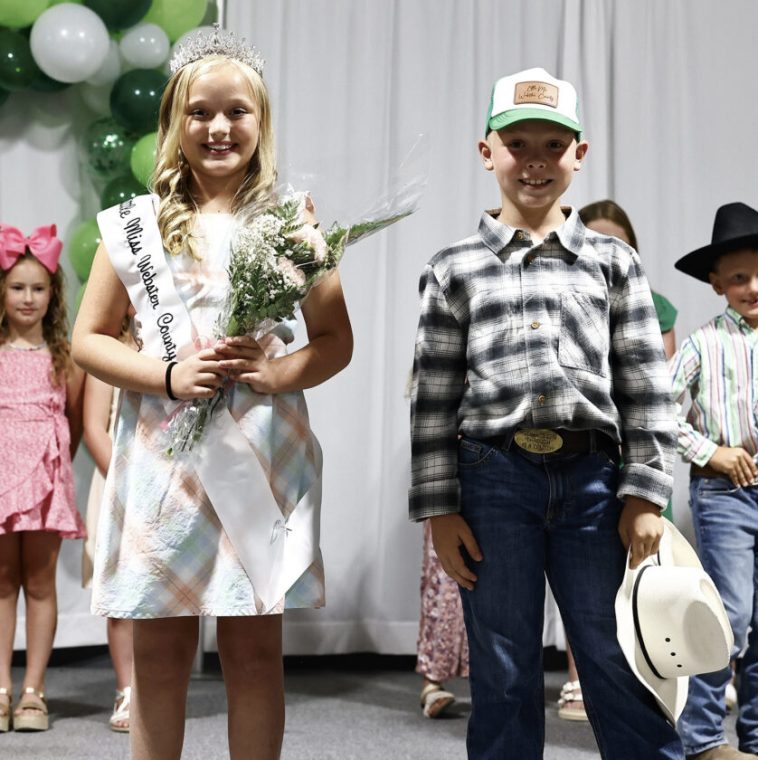
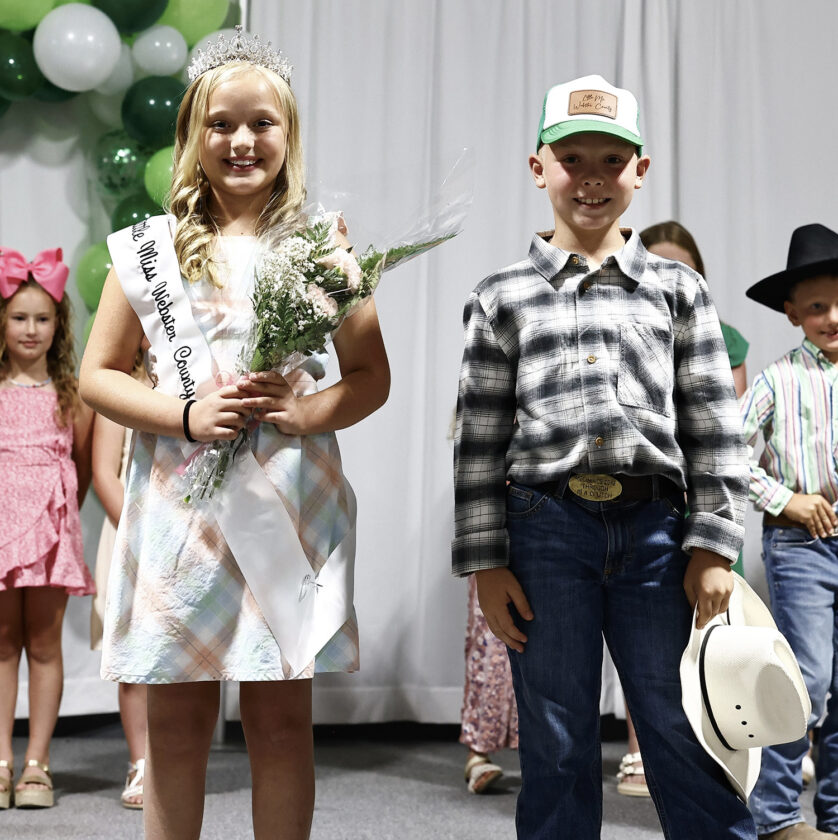
Community Spirit Shines at the Webster County Fair
The annual Webster County Fair is more than just a display of rural tradition – it is a lively celebration of community, education, and the creative spirit of youth. This year’s event gave us plenty of reasons to applaud the local 4‑H programs and the wide-ranging activities that stretched from agricultural exhibits to creative showmanship. In reflecting on the fair’s results and events, it becomes clear that these local gatherings are not only about competitive success but also about fostering skills, boosting community pride, and encouraging the next generation to embrace challenging tasks with energy and optimism.
The Role of 4‑H in Building Future Leaders
At the heart of Webster County’s fair is the powerful influence of 4‑H. This long-standing program continues to serve as a springboard for students to learn essential life skills in areas like agriculture, visual arts, digital storytelling, and even public speaking. By participating in these events, young people get to experience both the fun and the tricky parts of planning, executing, and presenting their work.
Developing Practical Skills
One of the main attractions of the fair is the diverse array of competitive exhibits. Each exhibit is judged not just on the final product, but also on the learning demonstrated throughout the creation process. Whether it was in photography, visual art, or even the intricate details of home improvement projects, participants showed their ability to tackle the challenging bits of developing a project from concept to completion.
In our opinion, the rigorous evaluation criteria applied at events like the 4‑H Clothing Selection or the Thrifty Meal Challenge help build confidence in these students. By confronting the tangled issues of economical purchasing and sustainable practices, these young exhibitors learn to handle complicated pieces of practical knowledge that will serve them well as they move forward in life.
Opportunities to Represent the Community
Some of the most inspiring moments at the fair come from the selection of State Fair representatives. For example, senior participants in categories like Clothing Selection and Innovative Design were chosen to represent Webster County at the upcoming Iowa State Fair. This is a powerful reminder of how local competitions can elevate talent and offer an essential platform for the finer points of self-expression and technical prowess.
Embracing Creative and Agricultural Innovations
A recurring theme this year was the balance between tradition and innovation. On one hand, the fair celebrated established practices such as livestock shows – from the Beef Show and the Goat Show to the Sheep and Swine Shows. On the other hand, the event showcased newer categories that pushed the creative envelope, like the Innovative Design category where students had the chance to get into unique sewing techniques and creative alterations.
The Beef Show and Livestock Excellence
The Beef Show was a highlight for many attendees, where exhibitors showcased their skills in presenting champion market beef, heifers, and steers. In this competitive environment, the judges had the tricky task of weighing both the quality of the animals and the care that went into their training and development. The fair provided a clear table of results and honorable mentions that recognized both the champions and the commendable participants in various stock categories.
| Category | Champion | Honorable Mention |
|---|---|---|
| Market Beef | Colton Haug – Gowrie Groundbreakers | Kase Condon – Johnson Jaguars |
| Market Heifer | Hanna Wicklein – Dayton Tigers | N/A |
| Market Steer | Kase Condon – Johnson Jaguars | Boe Davis – Dayton Tigers |
Innovative Design and Creative Competitions
Another area that captured attention was the Innovative Design category. This section was all about modeling outfits created or altered using unconventional techniques or materials. Here, participants were challenged to take a closer look at how even the smallest distinctions in design can make a big impact. The judges evaluated entries based on clever choices in materials, innovative approaches, and overall style – all of which are critical skills in nurturing creative talent.
Students were also encouraged to adopt a mindful approach when working on the $20 Challenge. This event tested their ability to score a fashionable, cost-effective solution for a garment purchased through a thrift shop or garage sale. In doing so, the fair underscored that creative, resourceful thinking often involves wrestling with the confusing bits of budgeting and style simultaneously.
The Impact of Hands-On Learning Through Competition
Many local educators and community leaders stress that hands-on learning events are a super important part of educational development. The fair provided an excellent forum for showcasing how experiential learning, when combined with constructive critique, can inspire a generation to pursue excellence. Competitions such as these allow young people to figure a path in their chosen fields, be it in visual arts, agriculture, or even technology-based projects.
Lessons from Educational Presentations
The fair is increasingly becoming a platform for educational presentations and extemporaneous speaking competitions. These activities prepare 4‑H members for public speaking and effective communication – often considered key abilities for the future workforce. The presentations require participants to dig into complex ideas and present them in clear, concise terms. The process not only teaches theoretical knowledge but also builds the confidence needed for real-world interactions.
In my view, fostering these skills is essential because today’s youth face a nerve-racking job market and a rapidly evolving society. By taking part in these public speaking contests and working exhibits, young people are better prepared to tackle overwhelming challenges in their future professional lives. The fair’s focus on communication is, therefore, more than just an extracurricular activity – it is an investment in critical abilities that will shape the community’s future leaders.
Bridging the Gap Between Tradition and Technology
While the fair continues to pay homage to its long-standing agricultural roots, it also embraces modern technology. The inclusion of events like digital storytelling and extemporaneous speaking is a nod to the changing landscape where traditional skills meet modern technology. As students showcase their digital projects alongside livestock and handicrafts, there is a clear message: innovation and tradition need not be mutually exclusive.
A Modern Twist on Age-Old Traditions
For many, the fair is an opportunity to revive and celebrate traditions that have been a part of rural life for generations. Livestock shows, such as the prestigious Goat Show and Sheep Show, bring back memories of simpler times while also teaching the fine points of animal husbandry. However, by mixing in modern elements like fashion design using recycled materials and digital presentations, the fair also acknowledges the twists and turns of modern progress.
This blend of old and new creates a dynamic environment where youth can understand and appreciate the past while gearing up for a future filled with innovative possibilities. The result is a fair that is both nostalgic and forward-thinking – a reflection of a community that values its heritage while also embracing change.
Local Involvement: The Backbone of a Successful Fair
No matter how advanced the exhibits or innovative the ideas, the fair’s success is rooted in local involvement. From county council members to community-wide sponsors, multiple stakeholders contribute to the smooth running of the event and help set the stage for these promising young minds. It is the local support network – including coaches, teachers, and business sponsors – that makes such a broad spectrum of programs possible.
Support from Local Organizations and Businesses
Local businesses and institutions play a critical role in ensuring the fair thrives each year. Corporate sponsors not only provide financial support but also offer scholarships and other resources that encourage excellence. For instance, contributions from local roofing companies and community colleges help fund scholarships, further affirming the community’s commitment to youth development.
Below is a quick bullet list summarizing some key areas where local support makes a difference:
- Scholarships: Financial support for fair participants and future educational endeavors.
- Mentorship: Experienced community members guiding young innovators.
- Resource Provision: Local companies providing materials, awards, and venue support.
- Community Engagement: Active participation by residents creating a welcoming and supportive atmosphere.
Interdisciplinary Learning and the Wider Impact on Economic Development
Events like the Webster County Fair have implications that extend beyond just the fairgrounds. They serve as potent reminders that interdisciplinary learning is key in today’s economy. The fair combines art, agricultural sciences, and even elements of business administration, providing a well-rounded, hands-on learning experience.
Developing a Versatile Skill Set
The multifaceted nature of 4‑H projects means that participants often have to manage their way through tasks that require art, science, and even basic financial literacy. For example, the Cooking and Food Preservation displays require an understanding of not only culinary skills but also principles of science and nutrition. Similarly, the innovative design and clothing selection contests encourage students to consider both aesthetics and economic factors. All these experiences build a toolkit that is super important for managing a future in business, manufacturing, or even automotive technology.
This type of flexible, cross-disciplinary learning is an essential investment in the community’s economic future. As these young people eventually step into the workforce, they carry with them the resilience and spirit cultivated at events like the fair. With a foundation that combines practical skills with creative problem-solving, they are well prepared to take on the overwhelming challenges that lie ahead.
Local Economic Growth and Educational Initiatives
The fair also contributes to local economic growth. Local agricultural markets, small businesses, and service providers all benefit from the increased traffic and community engagement that the event generates. The infusion of fresh ideas from young 4‑H members reinforces the idea that commercial progress and learning go hand in hand. Many businesses are beginning to recognize the value of partnering with educational initiatives, which in turn help build a stronger, more innovative workforce.
Moreover, the fair encourages local youth to take a closer look at careers in areas such as industrial manufacturing, automotive technology, and even emerging sectors like electric vehicles. By exposing students to the behind-the-scenes details of these industries, the event helps demystify careers that might otherwise seem intimidating.
Tackling the Overwhelming Aspects of Competitions
It is not uncommon for participants and even some community observers to feel uneasy about the pressure that competitions can create. Many young people encounter nerve-racking moments when they must present their projects on stage or defend their work in front of knowledgeable judges. However, these opportunities are key to learning important coping skills and developing the resilience needed for future endeavors.
Managing Stage Fright and Public Pressure
The process of public speaking and being judged can be off-putting at first. Yet, over time, these experiences help individuals figure a path through their fears. The feedback given by judges – based on clear guidelines and fair scoring – steers young presenters in the right direction. With each stage performance and public presentation, participants learn not only how to communicate effectively but also how to take constructive criticism in stride.
For educators and community leaders, it is key to stress that offering support during these moments is as important as celebrating success. By working through the intimidating aspects of competitions, these young people learn to appreciate the value of persistence and effort, which are essential qualities for both business and personal growth.
Celebrating Unique Talents through Diverse Categories
One of the most charming aspects of the Webster County Fair is the sheer variety and uniqueness of the categories. Whether it is the Horse Show, the Poultry Show, or the Cat and Pet Show, there is something for everyone. Each competition highlights the different talents and passions among the youth, offering a rich tapestry of experiences that collectively tell the story of a vibrant community.
Highlighting Animal Husbandry and Beyond
Animal-related competitions have always been a staple of rural fairs. At this year’s event, contests ranging from the Dog Show to the Rabbit Hopping Show showed a mix of traditional animal husbandry and modern competitive techniques. For instance, the Dog Show was not merely about awarding the best-groomed or most obedient pet; it also recognized the commitment and care shown by the young handlers behind the scenes. These events bring forward the delicate balance between nurturing responsibility and celebrating the animal-human bond.
In addition to the animal shows, the Pet and Cat displays provided a fun yet meaningful twist by fostering an environment that encourages creativity and storytelling. Whether it was through a well-dressed cat or a charming pet display, each entry told a story that resonated deeply with the community. This blend of creativity, practical skill, and a passion for animals truly encapsulates what makes the fair a multifaceted experience.
Organized Competitions and the Value of Fair Play
Apart from judging the final outcomes, the fair’s regulatory framework highlights fair play and rigorous standards. Organized competitions such as the Static Exhibit show or the 4‑H Communications challenges are structured to give every participant a chance to shine. Judges rely on clear metrics – the careful design of an exhibit, creativity in communication, or the efficient use of resources – and these are all measured through objective evaluations. Below are a few key evaluation points that judges typically consider:
- Learning Goals: How well did the participant meet the objectives they set out to achieve?
- Practical Execution: Was the project completed with careful attention to detail and quality?
- Creativity and Innovation: Did the entry show original thought and a new approach?
- Overall Presentation: Was the final display engaging, well-organized, and community-friendly?
Inspiring the Next Generation: A Community Investment
When we look at the Webster County Fair, we see an investment in the future. The variety of categories and events reflects a community that is heavily invested in cultivating not only academic and technical expertise but also creativity and personal expression. This event serves as a reminder that nurturing tomorrow’s leaders starts with providing them platforms to experiment, learn, and get recognized.
Benefits of Participating in Multi-Faceted Events
Participation in events like these offers a host of benefits. Young people learn not only technical skills but also the art of self-presentation, time management, and dealing with the unpredictable twists and turns of any competitive environment. The following list captures the core benefits observed from participating in such fair events:
- Enhanced Communication: Presenting projects and engaging with judges sharpens public speaking skills.
- Practical Learning: Hands-on projects teach resource management and problem-solving strategies.
- Community Connection: Active involvement in local events helps build lifelong community ties.
- Confidence Building: Overcoming challenges and receiving feedback boosts self-esteem and resiliency.
- Career Exploration: Exposure to diverse fields helps participants decide on future paths in business, science, or the arts.
Community Reflections and Future Directions
Many community members have commented on how the fair exemplifies the best in local culture. What sets this year apart is not just the shining talent of the participants but also the supportive network of educators, local businesses, and families. This collective approach to nurturing young talent can serve as a model for other communities seeking to integrate modern innovations with traditional values.
Looking ahead, one of the key opportunities for growth is to further integrate technology into the fair’s framework. As we witness emerging trends in electric vehicles, industrial manufacturing, and digital media, there is a natural synergy between these fields and the innovative projects displayed by 4‑H members. It is clear that the traditional methods of agriculture and art can coexist harmoniously with modern technological advancements. The fair is a space where young innovators can toss aside the overwhelming aspects of modernity and instead focus on creative problem solving.
Practical Insights and Takeaways for the Community
In reflecting on the events, it becomes evident that there are several key takeaways for communities looking to foster an environment of growth and innovation. These can range from reinforcing the importance of hands-on learning opportunities to broadening the scope of traditional fairs to include modern, technology-driven initiatives.
Tackling the Tricky Parts of Organizing Local Fairs
Organizers face many challenging bits when it comes to planning an event of this scale. The process involves coordinating numerous competitions, ensuring impartial judging, managing a variety of exhibits, and engaging a broad spectrum of community stakeholders. While this might seem overwhelming at first glance, breaking down the tasks into smaller, manageable pieces can make the process smoother. Here are some approaches that can help:
- Early Planning and Coordination: Setting up clear timelines and responsibilities well in advance helps avoid last-minute surprises.
- Community Involvement: Involving local schools, businesses, and volunteers ensures a rich pool of support.
- Clear Communication: Maintaining open lines of communication among organizers, participants, and judges is key to resolving any tangled issues promptly.
- Feedback Mechanisms: Post-event surveys and feedback sessions help identify small distinctions in what worked well and what requires even a bit more attention in future fairs.
Strategies for Balancing Tradition and Modernity
One of the most rewarding challenges for local cultural events is striking a balance between tradition and modern trends. Local organizers can take cues from the successful integration of classic exhibitions with novel categories, such as digital presentations and innovative sewing techniques. Below is a summary of strategies that communities can adopt:
- Update the curriculum: Incorporate new technological skills in traditional settings, such as combining agriculture with data-driven decision-making.
- Encourage cross-disciplinary projects: Create competition categories that blend elements of art, business, and science.
- Invest in training: Offer workshops where experienced professionals guide youth in tackling the confusing bits of modern technology while keeping traditional skills alive.
- Foster partnerships: Collaborate with local industries to sponsor educational initiatives, ensuring that the event reflects both past achievements and future directions.
Looking Beyond the Fair: Long-Term Implications for Economic Growth
Events like the Webster County Fair have far-reaching impacts that go beyond the excitement of a single weekend. They contribute to building a workforce that is agile, innovative, and deeply connected to its community roots. This integration of practical, experiential learning with academic and digital knowledge creates a foundation for economic growth and social advancement.
Market-Driven Innovation and Youth Engagement
Local industries today demand a workforce that is well-versed in both the art and science of business. By giving young people a chance to work through the overwhelming challenges of competitive exhibits and public presentations, events like the fair cultivate the essential skills that are needed in industries ranging from industrial manufacturing to modern electric vehicle technology. It is a win-win scenario: youth get hands-on experience, while local businesses benefit from a pool of creative and dedicated talent.
This market-driven approach to youth engagement also helps dispel preconceived notions that traditional learning environments are somehow disconnected from modern economic demands. Instead, the fair stands as a testament to how even the most time-honored practices can be revitalized with a touch of modern flair. Community members and local policymakers alike are beginning to recognize that supporting such initiatives is key to fostering both creative and technical growth in the region.
Creating a Sustainable Future Through Community Collaboration
When looking at the big picture, one must consider the long-term sustainability of local traditions and educational programs. The fair encourages both innovation and collaborative problem solving, which is critical as communities face the many twists and turns of an ever-changing economic landscape. By working together, local government, educational institutions, and the business community can create a nurturing environment where young people learn to tackle even the most intimidating challenges head on.
This sustainable approach is visible in the dedicated support for events like the 4‑H Communications challenges and the Horticulture Show. In both instances, educators see the value in allowing students to articulate their thoughts and present detailed projects that combine creative intuition with practical skills. The lessons learned here extend well beyond the fairgrounds, shaping a generation that is capable of steering through the complicated pieces of today’s multifaceted economy.
Concluding Thoughts: A Model for Future Community Events
In conclusion, the Webster County Fair stands as a shining example of how localized events can be both educational and inspirational. By offering a diverse mix of competitions—from livestock shows and innovative design contests to educational presentations and working exhibits—the fair reflects the rich tapestry of rural tradition blended with modern innovation. This blend not only empowers youth but also energizes the local economy and reinforces community bonds.
From the spirited competition to the detailed evaluation of creative efforts, every aspect of the fair encourages participants to dig into the fine points of each task. The event exemplifies how getting into both the practical and creative aspects of learning can yield results that are both impressive and deeply rooted in community values. Whether you are a parent, educator, or local business leader, the Webster County Fair serves as a reminder that fostering talent and beautifying tradition go hand in hand with economic progress.
By celebrating the successes and learning opportunities that have emerged this year, we can all take a page from the fair’s playbook. Let us continue to support hands-on learning, encourage constructive competition, and ultimately help mold a future workforce that is not only technically proficient but also brimming with creative energy and community spirit.
Key Takeaways for a Resilient Community
To wrap up, here are some essential points that encapsulate the lessons from this year’s fair:
- Empowerment Through Education: Practical projects and competitions build critical work skills and boost confidence.
- Balancing Old and New: Integrating traditional practices with modern innovation prepares youth for a dynamic future.
- Community Support Is Crucial: Local businesses, educational institutions, and families play key roles in nurturing talent.
- Sustainable Growth: Events like these help build a resilient and versatile workforce capable of tackling the overwhelming challenges of tomorrow’s economy.
A Call for Continued Investment in Youth Programs
Moving forward, it is super important that communities not only celebrate events like the Webster County Fair but also continue to invest in youth programs that connect educational achievements with real-world applications. As technology evolves and local economies become more intertwined with global trends, these initiatives are essential for creating a well-rounded, future-ready workforce.
The fair demonstrates, in a very tangible way, that with the right support and opportunities, young people can get around even the most tangled issues of modern education and business. By simplifying the process into manageable segments, each participant learns to embrace both the creative and practical aspects of any endeavor. The success stories emerging from these events should inspire us all to think larger about how community-based educational programs can drive long-term economic prosperity.
Final Reflections
The Webster County Fair is a microcosm of our society’s rich intermingling of tradition, creativity, education, and modernity. As we take a closer look at the varied competitions and community support systems in place, it becomes clear that the event is more than just a one-day showcase—it is a living laboratory for nurturing future leaders and innovators.
From photography and home improvement displays to competitive livestock shows and public speaking events, every activity embodies the idea that learning through doing is one of the most effective ways to prepare for a successful future. Despite the nerve-racking pressures of public competition, the experiences provided by the fair help young people learn to manage challenges and get around the overwhelming aspects of real-life projects.
For local communities considering ways to stimulate economic growth and educational excellence, the Webster County Fair offers a compelling model. By blending traditional skills with modern innovations, supporting interdisciplinary learning, and uniting diverse community stakeholders, such events create fertile ground for lasting personal and professional success.
As I reflect on the fair’s achievements, I am heartened by the energy and ingenuity displayed by the youth. Their achievements remind us that when we work through the tiny details and tackle tiny twists step by step, the results are nothing short of inspiring. Let us continue to champion initiatives that provide platforms for learning, growth, and community celebration.
In the end, the fair is a testament to the power of community—not just in celebrating what has been achieved, but in building a foundation for future triumphs. And as the next generation takes the wheel and steers through the tangled issues of tomorrow, we can all take pride in knowing that we helped lay the path for their success.
Originally Post From https://www.messengernews.net/news/local-news/2025/08/webster-county-fair-results/
Read more about this topic at
The Extravaganza Fair
🎪🐶✨ Calling All Dog Lovers – The Extravaganza Fair Has …