
Lightning Strikes and the Hidden Dangers of CSST Pipes in Maryland
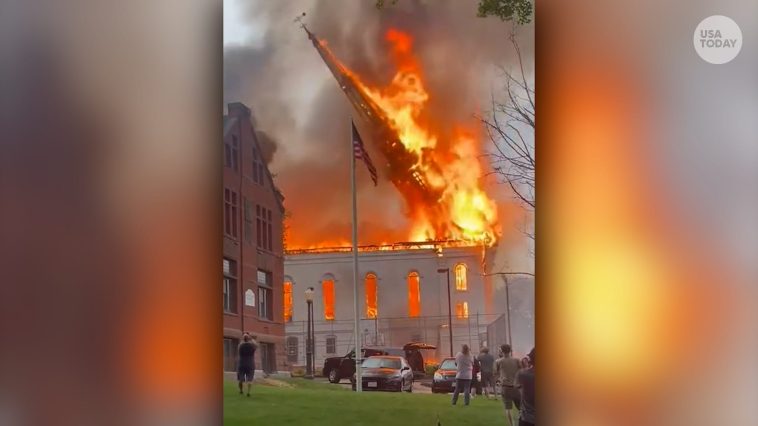
The recent incident at the First Presbyterian Church of Howard County is a stark reminder of how severe weather can trigger dangerous and often overlooked safety hazards. When lightning struck a gas pipe at the church on July 1, it led to a sudden and frightening blaze—a “geyser of fire” that swept through a central gathering space. As a community member and observer, it is essential to take a closer look at the factors contributing to this alarming event and reflect on what it means for public safety, property protection, and regulatory oversight.
The church, a longstanding institution serving 400 congregants, now faces a long road to recovery. This event, which saw everything from the melting of protective coatings on critical gas pipes to structural beam damage, has brought into sharp focus several tricky parts of our built environment. Beyond the immediate damages lie broader issues related to material safety, emergency preparedness, and even legislative enforcement in Maryland.
Understanding the Incident: Detailed Firsthand Accounts and Structural Impact
The fire erupted unexpectedly when lightning—believed to have traveled through the ground or possibly jumped from the lightning rod—hit a large commercial-grade gas pipe. Interim Pastor Ken Page explained that he and another employee detected a gas leak before realizing that the electrical energy had traveled via the pipe. The resulting gas release created a violent eruption, catapulting flames into the fellowship hall situated just above the sprinkler system. This series of events highlights how sometimes even close safety measures may fail in the face of abrupt, unforeseen natural forces.
Structural damage was significant. Not only did the heat cause the yellow coating on the corrugated stainless steel tubing (CSST) pipe to melt, but two primary support beams also suffered serious damage. One beam was weakened to the point of melting, while the other was inadvertently compromised during firefighting efforts. This incident, occurring in a major community building, is a clear illustration of how environmental factors and aging infrastructure combine in unpredictable ways, leading to dangerous outcomes for both property and human life.
Lightning-Induced Gas Pipe Explosions: The Science and the Story
Lightning is a powerful natural force capable of causing unpredictable damage, especially when it interacts with modern infrastructure. When lightning strikes, it generates enormous amounts of electrical energy that can travel through conductive paths such as gas pipes. In cases like this, the energy can cause explosions if the pipe is made from materials that are not well equipped to handle such surges.
In this instance, even though the church’s sprinkler system was in place, the fire alarm did not trigger immediately. The delay is attributed to the exact positioning of the fire, just above the system—a small yet critical twist that ultimately allowed the fire to intensify before detection. This event demonstrates how even a slight misalignment of safety systems can result in severe consequences.
Key Takeaways from the Incident:
- Electrical energy from lightning can travel through gas pipes and cause catastrophic failures.
- Delayed activation of fire alarms may compound the problem when fires start in close proximity to safety systems.
- Structural repairs following a fire often involve a complex mix of restoring damaged beams, replacing fixtures, and addressing smoke damage.
CSST Fire Hazards in Maryland Commercial Buildings: Unpacking the Material Risks
Corrugated stainless steel tubing (CSST) pipes, particularly those with a yellow jacket, have come under increasing scrutiny in Maryland. Advocates, such as Sara Laird and Celeste Flynn—both of whom have personally suffered losses from similar incidents—have been adamant in calling for stricter regulations on these pipes. CSST’s susceptibility to even a household current or indirect lightning strike makes the product especially risky. The fine points of its design, including its thin stainless steel walls, leave it exposed to perforations and tears when high-energy electrical surges occur.
Despite new laws intended to phase out these hazardous CSST pipes, enforcement remains a challenging, tangled issue. Cases have emerged where even properly bonded and grounded systems have failed, raising questions about the overall safety of the product.
Understanding CSST Vulnerabilities and Practical Implications
There are a few critical aspects of CSST safety that every stakeholder—ranging from homeowners and religious institutions to commercial operators—needs to consider:
- Material Weakness: The thin metal walls that make CSST pipes appealing for installation are also their Achilles’ heel. They are particularly vulnerable to electrical disturbances, which can lead to catastrophic failures.
- Installation Challenges: In sites where there is heavy usage or exposure to severe weather, the risks multiply. Even with proper installation techniques, the inherent vulnerabilities of CSST can lead to unexpected incidents.
- Regulatory Oversight: While there is a growing push to ban or limit such pipes, enforcing these regulations has proven to be a nerve-racking challenge for authorities. Regulatory gaps mean that dangerous products may still line the shelves of major home improvement stores across the state.
Table: Comparison of CSST and Alternative Gas Piping
| Feature | CSST Pipes | Black Iron Pipes |
|---|---|---|
| Material Robustness | Vulnerable to electrical surges | More resistant to electrical interference |
| Installation Flexibility | Easier to install due to flexibility | More rigid; requires additional fitting |
| Cost Efficiency | Generally cheaper upfront | Higher initial cost but lower long-term risk |
| Safety in Severe Weather | Higher risk of failure | Proven resistance over time |
Regulatory Challenges in Enforcing CSST Pipe Bans in Home Improvement Retail
Despite legislation that has aimed to limit the use of the earliest generation of CSST pipes, enforcement remains full of problems. Representatives from both sides of the regulatory and consumer spectrum have noted that while laws on paper assert that hazardous materials should be phased out, the practical application often lags behind. Store shelves, like those in the Home Depot of Ellicott City, continue to stock these pipes, even though they have been banned by law in some respects.
The enforcement puzzle is riddled with issues. One aspect is that many of the retail outlets and suppliers make claims of compliance without adequate oversight. Moreover, there is an ongoing twelve-month joint study between the Maryland Department of Labor and the State Fire Marshal’s office to assess the safety of these materials. Their recommendation to transition to black iron pipes has been well received by those who have experienced personal tragedies. However, making a broad shift in an industry so accustomed to a particular product poses a series of complicated pieces that require careful planning and coordination.
What Makes Enforcement a Scary Challenge?
Enforcement is off-putting not only because of the sheer scale of the supply chain but also due to a few underlying issues:
- Retail Oversight: Monitoring every home improvement outlet requires significant manpower and resources. This challenge means that even a well-crafted law falls short if not paired with effective on-the-ground monitoring strategies.
- Industry Resistance: Suppliers and manufacturers may argue that existing safety measures, such as proper bonding and grounding, are sufficient. But documented cases of failures—even in such instances—suggest otherwise.
- Legislative Ambiguity: The laws written to curb the sale of hazardous CSST pipes are continuously being challenged in court or through bureaucratic debate, further delaying any effective transition to safer alternatives.
In summary, regulatory enforcement remains a combination of technical challenges and human factors that, together, create a scenario where public safety could be compromised.
Structural Repair and Restoration Challenges Following Church Fire Incidents
The aftermath of the explosion at the church represents more than just physical damage—it also denotes a spiritual and community setback. Restoring such a site requires addressing numerous small distinctions that affect the safety, accessibility, and functionality of the building. The restoration process is, quite simply, nerve-racking. Beyond replacing smoke-damaged pews and grand pianos, church leadership must now orchestrate repairs to critical structural elements like beams and gas piping systems.
Structural repairs, even when the damage appears localized, are full of tricky parts that leave little room for error. The task of stabilizing a building following a fire involves:
- Assessing Hidden Structural Damages: An initial look might reveal only the obvious damages; however, a deeper investigation often uncovers further, less visible issues.
- Coordinating with Restoration Experts: In situations where both historical integrity and modern safety codes are at stake, finding experts who can figure a path through the “nitty-gritty” of repairs is super important.
- Securing Funding and Community Support: Restoration doesn’t just present a technical challenge. It also requires a commitment from community members, local businesses, and possibly state agencies to ensure that funds and manpower are available when they are most needed.
Key Steps in Church Restoration Projects
For groups facing similar challenges, several practical measures can help to manage the process better:
- Immediate Damage Assessment: Before intensive restoration begins, a comprehensive structural survey by certified engineers should be conducted to identify all potential risks.
- Community Fundraising and Insurance Claims: Many institutions, including churches, rely on community contributions and effective insurance negotiations to fund repairs.
- Engaging Restoration Specialists: Working with professionals who have practical experience in restoring historical buildings can be key to managing both safety issues and aesthetic integrity.
Table: Restoration Process Timeline and Key Activities
| Phase | Actions | Potential Challenges |
|---|---|---|
| Initial Assessment | Structural survey, damage mapping, emergency stabilization | Unidentified hidden damages, immediate safety risks |
| Planning & Design | Collaborative planning with engineers, architects and community leaders | Balancing historical preservation with modern safety codes |
| Restoration & Repair | Replacing damaged beams, restoring interiors, updating safety systems | Funding shortfalls, potential regulatory delays |
| Final Inspection | Compliance checks, safety system tests, final structural review | Meeting evolving safety standards |
Community Response and Alternative Service Options After a Tragic Incident
The effects of a fire are never limited to the physical destruction of a building. The social and emotional fabric of a community is equally shaken. In the wake of the church fire, the congregation has had to rely on neighboring churches and even operate services out of a smaller on-site building as they navigate through this nerve-racking period. The shift to alternative service venues, while challenging, offers a glimpse into the resilience and solidarity of communities in the aftermath of tragedy.
Local leadership and community organizers have been quick to form emergency action plans to help those affected by the restoration process. This proactive approach underscores a critical lesson: when disaster strikes, being prepared and supportive of one another is as essential as any technical restoration measure.
Building a Support Network in the Face of Disruption
For communities facing disruptions similar to the church fire, here are a few ways to get into stabilizing the situation:
- Collaborative Planning: Working with neighboring institutions can provide a temporary safe haven for those displaced by a disaster.
- Effective Communication: Keeping the community informed through local media and direct outreach can alleviate the overwhelming stress caused by uncertainty.
- Utilizing Local Expertise: Inviting professionals in restoration, safety, and community organization ensures that recovery is both structured and sensitive to the needs of the affected group.
Bullet List: Steps for Community Recovery
- Establish a task force that includes community leaders, restoration experts, and local government representatives.
- Organize regular meetings to assess progress and address immediate concerns.
- Set up a temporary community center to serve as a hub for information, counseling, and resource distribution.
- Create communication channels (newsletters, social media groups) to keep all stakeholders informed.
- Plan fundraising events to secure the necessary financial support for restoration and future prevention projects.
Regulatory Reform and the Future of Gas Pipe Safety in the Wake of Community Tragedies
The tragic incident at the church has already sparked significant discussions among lawmakers and safety advocates about the future of gas pipe regulations in Maryland. The call for a complete ban on all three generations of CSST pipes is growing louder, not only among survivor networks but within the broader community concerned with industrial safety and public health.
The emerging joint study conducted by the Maryland Department of Labor and the State Fire Marshal’s office is a step in the right direction. Their recommendation to transition to safer alternatives such as black iron pipes underlines a key point: While the CSST pipes may have offered initial cost benefits, their long-term risks far outweigh these advantages. The fire at the church is a testament to how the hidden complexities of using such materials can lead to devastating outcomes when the unexpected happens.
Legislative Implications and the Push for Safer Standards
The incident has opened up a broader conversation about regulatory shortcomings and the need for a more robust enforcement mechanism. Lawmakers now face a challenging task: to work through the tangled issues of existing codes and create policies that are both effective and straightforward in their application.
Some important considerations when rethinking these codes include:
- Clear Guidelines: Policies should be unambiguous in defining which products are unsafe and under what circumstances their use is prohibited.
- Strong Enforcement Mechanisms: Without adequate enforcement, even the best policies remain mere suggestions rather than effective safeguards.
- Industry Collaboration: Engaging with manufacturers, suppliers, and safety experts can help develop transitional frameworks that minimize disruption while improving safety.
Table: Legislative Reforms and Expected Outcomes
| Reform Action | Expected Benefit | Possible Hurdles |
|---|---|---|
| Complete Ban on Hazardous CSST Pipes | Elimination of high-risk products from the market | Resistance from manufacturers and suppliers |
| Enhanced Inspection and Monitoring | Better compliance and quicker response to violations | Resource allocation and inspector training |
| Mandatory Transition to Black Iron Pipes | Improved long-term safety in gas distribution | Increased upfront costs and supply chain adjustments |
Reflection: Weighing the Safety Trade-Offs in Modern Infrastructure
Every tragedy leaves behind a dual legacy—a moment of loss and an opportunity for change. The “geyser of fire” that erupted through the First Presbyterian Church is one such moment. While the immediate aftermath is a story of property damage and disrupted services, the broader narrative challenges us to figure a path forward by addressing the tricky parts of industrial safety and regulatory reform.
As we take a closer look, several key issues emerge. First is the inherent vulnerability of materials like CSST when subjected to extreme circumstances. Secondly, the complexities involved in enforcing regulatory bans highlight the need for collaborative, well-resourced approaches. Finally, the crisis underscores the importance of community resilience in the face of unpredictable natural forces.
Lessons Learned from a Fiery Episode
This incident teaches us that preparedness isn’t just a matter of having sprinklers or alarm systems in place. True preparedness requires a multifaceted strategy that includes resilient infrastructure, robust regulatory oversight, and an informed community ready to respond when disaster strikes. In a world where severe weather events are becoming increasingly common, understanding these small distinctions could make all the difference in safeguarding lives and property.
While the church’s current situation is undoubtedly off-putting, the opportunity to rebuild stronger, both physically and legislatively, provides a glimmer of hope. The push for safer gas piping standards, spurred by the collective outcry from affected families and safety advocates, may just be the catalyst needed to initiate lasting change in Maryland’s construction and safety codes.
Practical Steps for Homeowners and Institutions to Enhance Safety
In light of these events, it is essential to consider practical measures that can prevent similar incidents in the future. While sweeping regulatory reforms may eventually lead to the full ban of hazardous CSST pipes, there are immediate actions that can be taken by homeowners, institutional leaders, and safety professionals today.
These steps are designed to help manage your way through the challenges of ensuring infrastructure safety:
- Regular Inspections: Schedule periodic inspections of gas piping and related infrastructure with experienced professionals. This can help identify any early signs of degradation, especially after severe weather events.
- Upgrading Safety Systems: Consider retrofitting older buildings with modern safety measures, including advanced fire alarms, sprinklers, and structural reinforcements.
- Community Awareness Programs: Encourage local workshops and seminars on safety practices, particularly on recognizing the subtle details that indicate potential hazards in gas piping systems.
- Advocacy for Safer Materials: Stay informed about legislative changes and support policies that favor the use of more robust alternatives, such as black iron pipes, for gas distribution.
Additional Resources and Self-Help Strategies
For individuals looking to get into improving their property’s safety, a few additional resources are available:
- Local Fire Marshal Offices: Most counties have dedicated offices that offer guidance on fire safety and building codes. They can provide valuable insights on necessary upgrades.
- Competent Contractors and Engineers: Establish relationships with reputable professionals who can conduct thorough assessments and recommend preventive measures.
- Online Safety Forums: Leverage community-driven online platforms where similar incidents are discussed, and best practices are shared among peers.
The Bigger Picture: Economic and Social Implications of Inadequate Infrastructure Safety
Beyond the immediate physical damage, incidents like the church fire have far-reaching economic and social impacts. The cost of restoration is not just measured in dollars spent on repairing beams and replacing damaged interiors. There is also a significant emotional and community toll. In large gatherings such as religious institutions, the disruption of services can lead to a temporary loss of community cohesion, affecting local support networks and even small businesses that rely on a steady stream of community engagement.
On an economic level, if dangerous materials like CSST pipes continue to be used, the resulting mishaps could lead to increased insurance premiums, higher maintenance costs, and an overall decrease in property values. When communities witness preventable tragedies, there is also a potential knock-on effect on local trust in public safety measures and regulatory bodies.
Strategies for Balancing Economic Realities with Safety Priorities
While discussions about these issues can be overwhelming, it is possible to strike a balance between economic realities and the need for robust safety protocols. Here are a few strategies designed to assist decision-makers and local leaders:
- Investing in Long-Term Safety: Although upgrading to safer materials and systems might be more expensive in the short run, the long-term benefits—like reduced risk of future disasters—can offset the costs substantially.
- Collaborative Funding Initiatives: Local governments and community organizations could partner with private enterprises to secure grants or low-interest loans earmarked specifically for upgrading infrastructural safety.
- Transparent Communication: Keeping the public informed about both the risks and the steps being taken to mitigate them can help restore trust and foster a collaborative approach to safety improvements.
Table: Economic Impact vs. Safety Enhancement Matrix
| Factor | Economic Impact | Safety Enhancement Benefit |
|---|---|---|
| Upgrading Gas Pipes | Higher upfront costs | Long-term reduction in fire risk and potential insurance savings |
| Enhanced Inspection Regimes | Operational cost increases | Early detection of hazards and prevention of costly disasters |
| Community Safety Programs | Minor budget allocations | Improved public awareness and reduced emergency response expenses |
Looking Ahead: Future-Proofing Infrastructure Against Natural Disasters
As climate change continues to intensify severe weather patterns, events like the church fire are likely to become more frequent. The tangled issues surrounding infrastructure safety demand that both the public and private sectors work in unison to build resilience against future natural disasters. For communities and institutions alike, it is essential to take proactive, rather than reactive, steps.
Future-proofing infrastructure is a multi-layered process that entails:
- Integrating Advanced Materials: Embracing materials with improved durability and resistance to environmental stresses—even if they come at a higher initial cost.
- Regular Upgrades and Retrofits: Setting up a schedule for the regular replacement of aging infrastructure to forestall the onset of safety issues.
- Enhanced Emergency Response Plans: Ensuring that emergency systems, such as fire alarms and sprinkler networks, are positioned and calibrated to respond to modern building layouts and potential hazards effectively.
Community and Government Synergy for a Safer Future
Ultimately, ensuring the safety of our built environment in the face of natural hazards requires bridging the gap between policy and practice. Government agencies, local institutions, and community advocates must work together to sort out the confusing bits of regulation and rebuild trust in safety standards. Legislative efforts, when paired with robust community programs, can help figure a path through the nerve-racking challenges posed by outdated infrastructure.
For the residents of Maryland—and indeed for communities nationwide—the recent tragic event offers a learning opportunity. By taking steps today that anticipate tomorrow’s challenges, we can collectively reduce the risks of similar disasters and ensure that both our physical structures and our communities remain resilient.
Final Thoughts: Balancing Tradition with Progressive Safety Measures
The story of the First Presbyterian Church of Howard County is not merely one of loss and devastation; it is a call to action. While the pain of witnessing such a sudden disaster is immense, each incident carries within it the seeds of valuable lessons. The dangerous dance between natural forces, human-made infrastructure, and regulatory frameworks is full of challenging parts, but it is precisely in these moments that progress can be achieved.
In reflecting on this incident, it becomes clear that while tradition and heritage are super important, they must be balanced with modern safety practices. Whether it is an age-old religious institution or a newly built commercial establishment, every structure deserves a safety system designed to protect lives and minimize damage in the face of nature’s unpredictable twists and turns.
Ultimately, the path forward lies in a collaborative effort—one that involves community members, technical experts, legislators, and business owners. Embracing safer materials, improving regulatory enforcement, and fostering open dialogue about infrastructure resilience will help ensure that unexpected phenomena, such as a lightning-induced gas pipe explosion, do not result in preventable tragedies.
As we work through these challenges together, it is essential to maintain a spirit of cooperation and continuous improvement. Let this incident serve as a wakeup call: that in the balancing act between preserving our cherished institutions and adopting progressive safety measures, we must always prioritize human life and community well-being.
By staying informed, getting involved, and urging our policymakers to take decisive action, we can create a safer future. The resilience of our communities will be proven not just by how we recover from disasters, but by how proactively we work to prevent them. Now is the time to learn from past incidents and to build a legacy of enhanced safety, robust infrastructure, and unified community spirit for generations to come.
Originally Post From https://www.wmar2news.com/homepage-showcase/geyser-of-fire-rips-through-church-after-lightning-strike-hits-gas-pipe
Read more about this topic at
Lightning is reaking havoc on my server! This is whats left …
Lightning and Cars