Home Repairs in a Shifting Economic Landscape
In today’s uncertain economic environment, many homeowners are finding themselves caught between the need to maintain their properties and the high costs associated with repairs and upgrades. Recent surveys reveal that as many as 71% of homeowners have postponed renovations amid economic uncertainty. With rising labor costs, soaring material prices, and ongoing inflation, the decision to delay necessary repairs is not made lightly. It often feels like walking a tightrope—balancing the immediate financial burden against potential long-term risks.
Homeownership, often the largest purchase a person will ever make, comes with a host of tricky parts. The delicate balance between keeping a home safe and managing a tight budget can feel overwhelming for many. While mortgage payments and day-to-day living expenses take center stage once the down payment is made, the often-neglected maintenance can spiral into a series of tangled issues if not addressed on time.
Understanding the Role of Homeowners Insurance
Homeowners insurance is a critical safety net for many property owners. It is designed to protect one’s largest investment by covering a range of repair costs and damages. However, many are unclear about the subtle details of what their policies do, and do not get a chance to take a closer look until after damage has occurred. With nearly one in four homeowners admitting to avoiding filing a claim out of fear that their home might not pass an inspection, it is clear that uncertainty lurks in the fine print.
This fear is particularly pronounced among younger homeowners, with one in three members of Generation Z hesitating to report necessary repairs. It highlights that dealing with home insurance policies can sometimes feel as nerve-racking as unraveling a complicated set of twists and turns, where even minor omissions could lead to large gaps in coverage.
Insurance Gaps and the Hidden Costs of Deferred Maintenance
The risk of deferring upgrades isn’t limited to potential safety issues. Homeowners who delay repairs not only live with unresolved, nagging problems, but they also risk having their insurance premiums rise or their policies canceled. Nearly half of homeowners believe that postponing essential repairs is making their house less safe, an opinion that merges financial anxiety with genuine concerns for personal well-being.
Let’s break down some of the hidden risks associated with delaying repairs:
- Insurance Claim Rejections: Filing a claim becomes daunting if repairs have been delayed too long, as the damage might be seen as a consequence of neglect.
- Increased Repair Costs: Minor issues can evolve into major repairs over time, often at a much higher expense.
- Home Safety Concerns: What begins as a small leak or creaking sound can turn into a severe safety hazard if left unattended.
- Policy Gaps: Certain upgrades might not be covered if they are not reported to the insurer, potentially leaving homeowners with hefty out-of-pocket costs in the event of significant damage.
The message is clear: ignoring the fine points of maintenance and insurance communication can end up costing homeowners far more than the price of a timely repair.
Economic Uncertainty and Its Effect on Home Improvement Budgets
With economic uncertainty gripping the nation, many homeowners are opting to delay extensive renovations. Recent surveys indicate that nearly a third of homeowners are inclined to wait a year or two before undertaking major projects, while 15% are postponing them indefinitely. This trend raises the question: Is waiting for better economic conditions a smart move or a risky gamble?
From an economic standpoint, delaying non-essential upgrades might seem wise. The hope is that inflation will eventually decline, which in turn may lower the costs for labor and materials. However, the long-term effects of such decisions can be loaded with issues. When significant repairs are set aside, that minor leak or HVAC inefficiency can evolve into a costly problem that might have been prevented with regular maintenance.
Many homeowners compare routine maintenance to regular visits to a doctor for a checkup or the routine oil change and tire rotations for a car. The logic is simple: neglecting small issues now can lead to unexpectedly large bills later. As one expert put it, treating house repairs with the same regularity as medical checkups is key to keeping those extreme costs from creeping up.
DIY Home Repairs and the Risks Involved
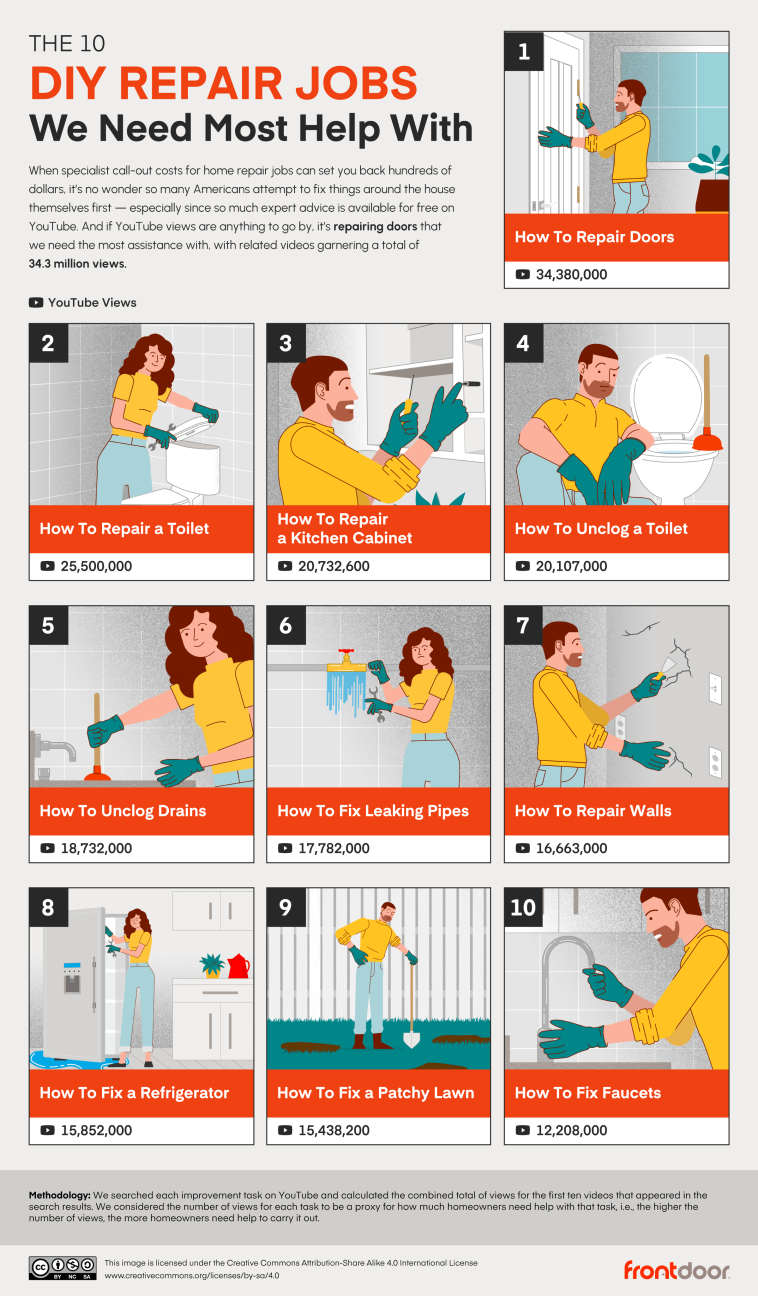
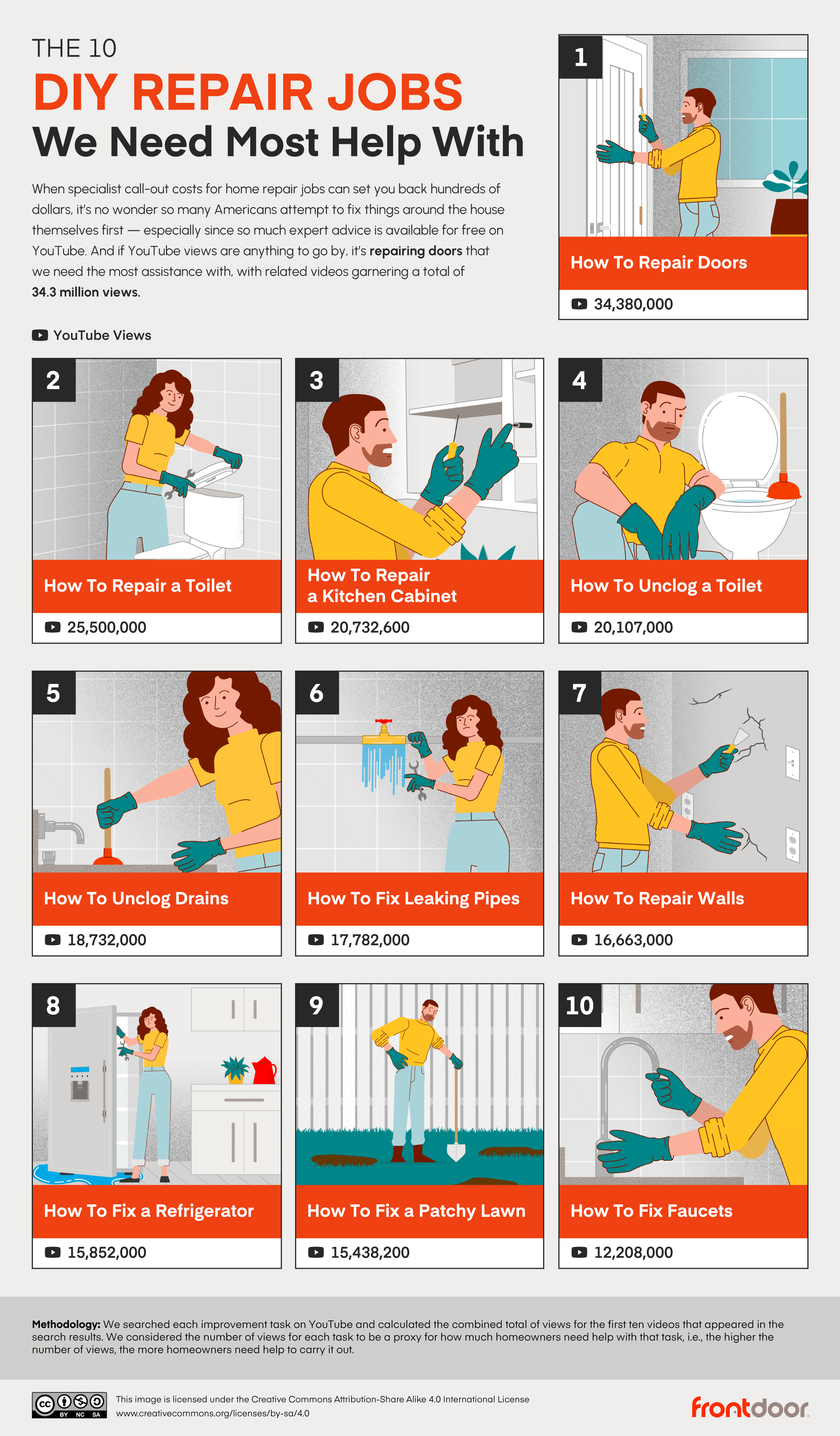
In the face of rising costs and economic uncertainty, many homeowners are turning to do-it-yourself (DIY) solutions to fix their homes. About 62% of homeowners have taken up the approach to tackle critical repairs on their own. While DIY projects may seem like a cost-effective alternative, they are not without risks.
Young homeowners, particularly those in Gen Z and the Millennial age brackets, often feel empowered by the wealth of online information available. Tutorials on platforms like YouTube can offer step-by-step guides to address seemingly simple repairs. However, mistakes made during DIY interventions can lead to further problems, especially when it comes to projects that require professional expertise.
It’s important to keep in mind that while DIY repairs may serve as a temporary fix, complex issues affecting the structural integrity or safety of a home should be handled by professionals. The hidden complexities of electrical systems, intricate plumbing issues, or roof repairs can escalate quickly if the wrong tools or techniques are used.
Communicating Upgrades to Your Insurance Provider
One of the most critical yet overlooked aspects of home improvement is the need to update your insurance provider when significant improvements are made. Failure to report upgrades—like a new wood stove, additional rooms, or improved roofing—can lead to gaps in coverage. If a claim is filed in the aftermath of a mishap, this oversight could result in significant financial loss.
Anthony Scheirer, a respected public insurance adjuster with expertise in handling claims, emphasizes that if homeowners fail to inform their insurer about major modifications, they risk losing substantial amounts of money. For example, if an unreported addition were destroyed in a fire, the homeowner might have to cover the entire rebuilding cost, with no support from their policy.
To help illustrate this point, consider the following table, which outlines potential pitfalls and suggested solutions when it comes to insurance communication:
| Potential Issue | Consequences | Suggested Action |
|---|---|---|
| Unreported Home Improvement | Gaps in coverage during a claim; homeowner bears full cost | Promptly inform your insurance company about any significant upgrades |
| Delayed Repairs | Claim denial due to neglect; potential increase in premium | Schedule routine inspections and maintenance |
| DIY Repairs Gone Wrong | Potential for exacerbated damage and safety risks | Consult with a professional for complex repairs |
By staying proactive and keeping open lines of communication with their insurance providers, homeowners can avoid unexpected expenses and ensure their coverage remains intact.
Assessing the Impact of Deferred Home Maintenance
When homeowners delay necessary maintenance, the ripple effects extend far beyond immediate repair issues. Quality of life, home safety, and even the overall value of the property might suffer. As nearly half of homeowners believe that delaying work has compromised the safety of their home, it is crucial to address these problems before they develop into costlier repairs.
The decision to postpone repairs often comes down to a mix of economic uncertainty and the hope that future market conditions will improve. However, the hidden complications of neglect can result in far more complicated pieces—think of a leaky roof leading to mold problems or an outdated HVAC system causing inefficiencies that drive up utility bills.
Here are some of the consequences of delaying significant upkeep:
- Structural Deterioration: Over time, even small issues can compromise the integrity of the building.
- Health and Safety Hazards: Moisture issues, electrical faults, and unstable structures can pose serious risks.
- Increased Operational Costs: Delayed maintenance often leads to higher repair bills and energy inefficiencies.
- Potential Decrease in Home Value: A poorly maintained home is less attractive to potential buyers or refinancers.
Many argue that waiting for a more optimal economic climate is understandable. Yet, homeowners must weigh the risk of a one-off saving against the potential for a cascade of increasingly expensive problems. Ultimately, a proactive approach can help forestall greater expenses down the road.
Balancing DIY Efforts and Professional Expertise
The tension between tackling repairs personally and hiring professionals is a debate that continues to resonate within the community of homeowners. On the one hand, the wealth of information available online opens up a world of DIY opportunities, encouraging young, tech-savvy homeowners to take matters into their own hands. On the other, the potential pitfalls of inadequate repairs suggest that some projects may be best left to experts.
Consider the following factors when deciding whether to DIY or call in a professional:
- Complexity of the Repair: If the project involves structural or electrical work, the risk of mistakes is high.
- Safety Concerns: Projects that compromise the integrity of your home or personal safety are best handled by certified professionals.
- Insurance Coverage: Professional repairs are often required by insurance policies to ensure that claims can be properly processed.
- Long-Term Cost Savings: While DIY projects might offer short-term savings, improper repairs can lead to greater long-term expenses.
Homeowners should strive to figure a path that balances immediate budget constraints with the need to maintain a secure and safe living environment. Selecting the right projects for DIY and knowing when to seek professional help is key. For instance, simple fixes like replacing a thermostat or patching up a wall might be safely handled on your own, while electrical problems or structural repairs demand professional intervention.
What Homeowners Can Do Right Now to Improve Safety and Save Money
Despite the current economic uncertainty, there are several practical measures that homeowners can adopt immediately to improve both the safety of their properties and their insurance premiums. A key strategy is to prioritize safety or structural improvements. According to recent surveys, about 69% of homeowners would invest primarily in these types of upgrades if given the chance.
Homeowners can take several super important steps right now:
- Review Your Insurance Policy: Speak with your provider or a trusted insurance agent to understand any potential gaps in your current coverage, especially after making home improvements.
- Schedule Routine Inspections: Regular home inspections can catch problematic bits before they turn into full-blown disasters.
- Implement Cost-Effective Improvements: Installing storm-resistant windows, a new roof, or even smart technological upgrades like a central security system can potentially lower premiums.
- Plan Ahead for Major Repairs: Even if funds are not immediately available, create a priority list to ensure the most critical repairs are not deferred indefinitely.
By taking these steps, homeowners not only enhance the safety and longevity of their homes but can also potentially reduce future financial burdens.
Examining the Economic and Psychological Dimensions of Deferred Repairs
The decision to delay repairs often intertwines economic calculation with psychological hesitation. Beyond financial constraints, homeowners may experience anxiety over making the right choices in an ever-changing market. Waiting for inflation to decline or for material costs to drop might seem like a rational strategy, yet it also poses risks by allowing minor flaws to gradually escalate.
Here are some of the psychological and economic factors influencing this decision:
- Anxiety Over Economic Stability: Unpredictable economic conditions make long-term planning nearly nerve-racking.
- Fear of Additional Expenses: The worry that a claim might be denied or that repairs may not be covered by insurance adds to the stress.
- Perception of Value: Homeowners often feel that delaying repairs preserves funds now, even though it risks compromising the overall value of the home.
- DIY Culture and Self-Empowerment: Younger generations, influenced by the vast amount of online resources, are more likely to attempt repairs on their own—even when these tasks come with hidden dangers.
Financial planners and home improvement experts agree that managing your way through these stressful decisions requires clear priorities. By aligning short-term actions with long-term benefits, homeowners can better weather the economic storms ahead.
Practical Tips to Lower Home Insurance Premiums Through Home Improvements
It may seem counterintuitive, but certain home improvement projects can actually help reduce monthly insurance payments. Despite nearly half of homeowners being unaware of which projects could lead to lower premiums, there are several widely recognized upgrades that benefit both safety and insurance costs.
Some of the most frequently recommended improvements include:
- Installing Storm-Resistant Windows: These windows not only safeguard your home during severe weather events but can also lower premiums.
- Upgrading the Roof: A new, sturdy roof can be a critical investment that mitigates risk, reducing future insurance claims.
- Enhancing Fire Safety: Incorporating measures such as fireproofing or adding smoke detectors can offer dual benefits of increased safety and reduced insurance costs.
- Smart Home Technologies: Devices like modern smart thermostats or central security systems are relatively easy to install and may result in lower home insurance rates.
Remember, every policy is different, so it is super important to review your specific situation with a qualified professional. An informed decision can not only improve your living conditions but also turn your house into a model of efficiency and safety, ultimately leading to significant long-term savings.
The Path Forward: Crafting a Balanced Approach to Home Repairs
The current economic landscape demands that homeowners take a balanced, pragmatic approach to maintenance and repairs. It is all too easy to get caught up in the dilemma of whether to delay repairs in hopes of lower costs or to proceed immediately at the risk of depleting hard-earned savings. The truth is that there is no one-size-fits-all answer; the proper strategy depends on individual circumstances, including financial stability, the age and condition of the home, and how much risk a homeowner is willing to take.
Here is a step-by-step approach that many homeowners have found useful:
- Assess the Immediate Risks: Identify repairs that affect the structural safety and overall livability of the home. These should be your highest priority.
- Review Your Financial Standing: Consider your current budget and potential economic trends. Is it wiser to delay less critical work, or are there small adjustments you can make now to prevent future mishaps?
- Consult with Professionals: Engaging with insurance experts and professional contractors can help clarify which projects will provide a meaningful return on investment—both in terms of safety and lowered premiums.
- Plan for Future Upgrades: Establish a timeline for non-critical improvements that can be executed when economic conditions are more favorable.
By following these steps, homeowners can make informed, balanced decisions that address both immediate concerns and long-term goals. The key is not to let economic uncertainty paralyze you, but to work through the challenging bits with a clear and determined plan.
Managing Home Repairs Amid Growing Concerns Over Safety and Liability
One of the more pressing worries among homeowners today is the feeling that delaying repairs is making their future more uncertain—not just in terms of comfort but safety and liability as well. Around half of surveyed homeowners expressed concerns that their delayed maintenance might be edging their home into an unsafe zone. Such fears are not unfounded, as neglected repairs can lead to unforeseen liability in the event of an emergency.
Liability concerns not only affect peace of mind but could also impact insurance costs down the road. Homeowners who have not updated their insurance company about significant improvements or DIY fixes may find their coverage limited when they need it most. Being proactive in managing your home’s insurance policy and keeping your insurer informed about upgrades is a critical part of taking control of your property’s safety profile.
Some practical steps to mitigate liability risks include:
- Documenting Repairs and Upgrades: Keep detailed records of all work performed, whether done by a contractor or as a DIY effort, and notify your insurer.
- Regular Safety Audits: Conduct periodic safety and maintenance audits—either self-administered or professionally conducted—to ensure that no critical issues are being overlooked.
- Understanding Policy Limitations: Take the time to review and clarify the fine shades of your insurance policy so that you are not left with unpleasant surprises when a claim is filed.
These measures help ensure that your home remains both a cherished investment and a safe environment for you and your loved ones.
Looking Ahead: The Future of Home Maintenance in an Unstable Economy
As economic conditions continue to shift, it is clear that homeowners will need to remain vigilant in addressing both the immediate and hidden twists and turns of maintaining their properties. While the path forward might seem decorated with challenging decisions and unexpected hurdles, the effort put into balancing financial constraints with proactive home maintenance now can pay dividends in the years to come.
The interplay between economic uncertainty, rising costs, and the pressure to maintain home safety is on edge in today’s market. Homeowners who manage to figure a path through this maze—taking into account both the tangible repair expenses and the subtle details of their insurance policies—stand to secure not just lower premiums, but a more resilient and safer home environment.
It is clear that neither delaying repairs indefinitely nor hastily investing in every possible upgrade is the answer. Instead, the smartest homeowners are those who blend careful planning with timely actions, ensuring that maintenance is performed regularly and insurance policies are updated as needed.
Final Thoughts: Striking the Right Balance for a Secure Future
In conclusion, the current economic climate has made home repairs and maintenance a tricky balancing act. Homeowners are now challenged with the task of managing a finite budget while navigating the maze of insurance policies, all under the looming pressure of rising prices and economic unpredictability. The decision to delay repairs or undertake DIY measures must be weighed carefully against the potential for long-term, expensive consequences.
By taking the time to review insurance policies, prioritize critical repairs, and understand the benefits of professional help versus DIY projects, homeowners can find a clear, balanced path forward. The key is to work through the confusing bits with regular checkups and timely actions—ensuring that the biggest investment you ever make remains both safe and sound.
Ultimately, securing your home against unforeseen risks is not about waiting for perfect conditions—it’s about making informed decisions today that lay the groundwork for tomorrow’s security. Whether you are a new homeowner just starting out or a seasoned property owner, remember that thoughtful planning, regular maintenance, and proactive communication with your insurance provider are must-have steps on the road to long-lasting home safety and financial stability.
As economic trends continue to evolve, those who take charge now are likely to reap the benefits for years to come. Continue to educate yourself about the twist and turns of home insurance, remain vigilant about repairs, and don’t let the fear of today’s economic uncertainties stop you from investing in your property’s future. After all, your home is not just a building—it is your sanctuary, your investment, and a key part of your financial well-being.
By carefully balancing immediate financial concerns with the need for long-term preparedness, you can protect your most important asset and ensure that your home remains a safe and resilient place in an ever-changing world.
Originally Post From https://www.usatoday.com/story/money/2025/07/10/homeowners-delay-maintenance-until-economy-improves/84521651007/
Read more about this topic at
The Consequences of Delaying Building Repairs
The Hidden Dangers of Delaying Property Restoration